Now Also operating from our new yard in Alice Springs. Our address is 3/31 Elder Street Ciccone 0870.


What Is Potholing in Excavation and When Is It Needed?
May 21, 2026
Excavation projects carry serious risk when underground conditions are uncertain. Buried utilities such as gas mains, electrical conduits, water infrastructure and communication lines can quickly turn routine earthworks into safety incidents, costly delays and wider service disruptions. For this reason, potholing has become an important part of modern civil construction, especially on projects involving congested service corridors, older infrastructure or incomplete utility records.
Combined with methods such as hydro excavation in Darwin, potholing provides a controlled and low-impact way to verify underground assets before larger excavation works begin. This article explains what potholing involves, why plans and electronic locating are not always enough, when potholing is needed and how hydro excavation helps reduce the risk of utility strikes, project delays and design uncertainty. Through careful utility verification and controlled excavation practices, JSM Civil supports safer and more reliable outcomes across civil construction projects.
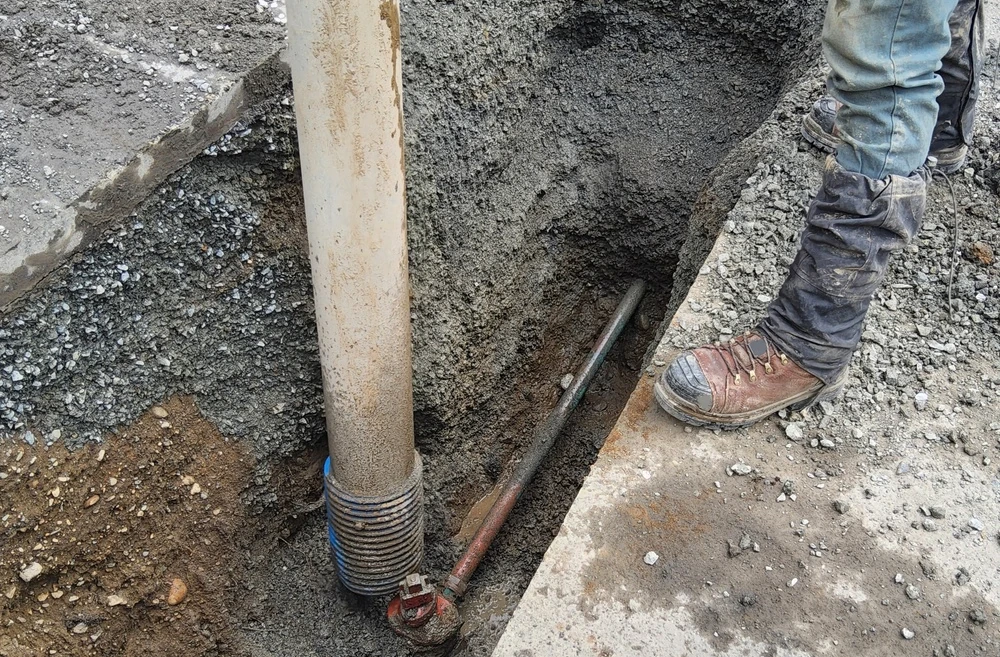
Potholing is a precise excavation method used to locate and expose underground services before major digging begins. Rather than relying only on plans, survey data or electronic locating, potholing physically uncovers utilities so their exact position, depth and condition can be confirmed.
It is usually carried out by creating small, controlled test holes along a proposed excavation route or near a planned work area. These test holes allow contractors, engineers and asset owners to visually confirm what is actually in the ground before larger machinery is used.
Potholing is not the same as bulk excavation. It is a targeted investigation and risk management process. Its purpose is to reduce uncertainty, protect buried infrastructure and give project teams accurate information before excavation, drilling, trenching or piling begins.
Utility plans and Dial Before You Dig information are important starting points, but they should not be treated as complete confirmation of what is underground. Many plans show indicative locations only, and the actual position of services can vary due to old records, ground movement, undocumented upgrades or previous construction work.
Electronic locating methods can also have limitations. Ground conditions, nearby services, signal interference and asset material can all affect the accuracy of locating results. Even when electromagnetic locating or ground-penetrating radar is used, the information often still needs to be verified through physical exposure.
Potholing closes this gap by confirming the true location of services on site. This is especially important in older urban areas, industrial sites, road corridors and civil infrastructure projects where multiple services may be close together or where records may be incomplete.
Potholing can be carried out using hand tools, vacuum excavation or hydro excavation. The most suitable method depends on the site conditions, soil type, service sensitivity and available access.
Hand digging is often used where space is limited or where fragile services are expected. Workers carefully remove material in thin layers using shovels or insulated tools, reducing the likelihood of damaging the asset.
Vacuum excavation and hydro excavation are commonly used for safer, more controlled service exposure. With hydro excavation, pressurised water loosens the soil while a vacuum system removes the material into a spoil tank. This reduces the need for mechanical force near buried services and helps create cleaner, more accurate test holes.
Once the service is exposed, crews can measure its depth, record its location, photograph the asset and document any relevant details. The test hole can then be reinstated once the information has been captured.
Potholing provides direct information that plans and locating equipment cannot always guarantee. It is commonly used to confirm:
This information can have a major effect on design and construction decisions. For example, potholing may show that a fibre optic conduit is deeper or shallower than shown on plans, allowing the design team to adjust levels before construction begins. It may also reveal old water lines, redundant cables or undocumented connections that could otherwise be hit during excavation.
Potholing is generally needed whenever excavation work is planned near known or suspected underground services. It is particularly important when the exact position, depth or condition of an asset is uncertain.
On civil projects, potholing may be required by project specifications, utility asset owners or risk assessments. It is often used during early design investigations and again before construction to confirm that site conditions match the available records.
Common situations where potholing is needed include:
In these situations, potholing helps establish the precise horizontal and vertical location of each service so that alignments, clearances and construction methods can be adjusted before heavy plant is used.
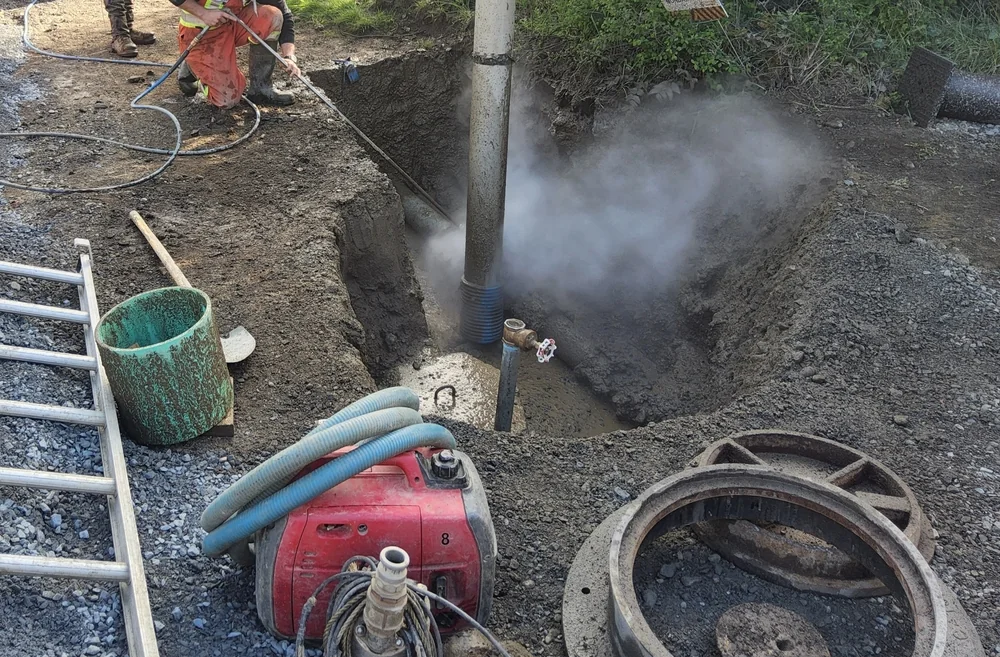
Hydro excavation makes potholing safer by reducing the need for metal teeth, sharp tools or heavy mechanical force close to buried infrastructure. Pressurised water breaks up the soil, while vacuum extraction removes the loosened material from the hole.
This process is especially useful around sensitive or high-risk services such as gas mains, electrical conduits, fibre optic cables and water infrastructure. Because the excavation equipment does not rely on direct mechanical contact with the asset, there is less risk of cuts, cracks, impact damage or insulation damage.
Hydro excavation also improves visibility around the service. Cleaner test holes make it easier to measure depth, identify the asset and record accurate information. On busy or constrained sites, it can also reduce manual handling, limit surface disturbance and improve control around workers, traffic and existing structures.
The main purpose of potholing is to reduce the risk of damaging underground services. A utility strike can cause far more than a simple repair issue. It may lead to safety hazards, emergency shutdowns, service outages, flooding, electrical risks, traffic disruption, environmental incidents and major delays to the construction programme.
By exposing services in a controlled way before major excavation begins, potholing allows crews to understand exactly where utilities are located. This information can then be used to set exclusion zones, mark safe working areas, adjust excavation methods and brief machine operators with greater accuracy.
Potholing also helps reduce delays by identifying conflicts early. If a proposed trench, footing, bore path or structure clashes with an existing service, the issue can be resolved before materials are ordered, crews are fully mobilised or major earthworks are underway. In many cases, small adjustments to levels, alignments or construction sequencing can avoid costly redesign during construction.
Potholing is not only a safety measure. It also gives designers and project teams more reliable information to work with. Confirmed utility data can be used to update drawings, refine construction staging and plan protection measures around critical assets.
This is particularly valuable where new infrastructure needs to pass over, under or around existing services. Accurate potholing data helps determine whether there is enough clearance, whether asset protection is required or whether an alternative alignment should be considered.
It also supports stronger risk assessments and method statements. Instead of basing control measures on assumptions, contractors can plan around what has actually been found on site. This leads to better decision-making, fewer surprises and more predictable project delivery.
Potholing is a fundamental part of safe and efficient excavation practice. By physically exposing underground services and confirming their true location, depth and condition, it reduces the uncertainty that cannot be resolved through plans or electronic locating alone.
When combined with hydro excavation, potholing provides a controlled and lower-impact way to verify underground assets before major civil works begin. It helps prevent utility strikes, reduce delays, improve design accuracy and create safer working conditions around buried infrastructure.
For civil projects in Darwin and other challenging environments, this level of preparation is essential. Careful utility verification allows contractors, asset owners and project teams to manage underground risk more effectively and deliver excavation works with greater confidence.


