Now Also operating from our new yard in Alice Springs. Our address is 3/31 Elder Street Ciccone 0870.


Hydro Excavation Safety Standards and Smart Technologies for NT Projects
November 25, 2025
Hydro excavation in Darwin plays a vital role in protecting underground assets while keeping worksites safe and efficient. Our experts at JSM Civil always focus on quality and accountability, so our clients rely on us for accurate and secure excavation solutions. With the right controls in place, the process can uncover buried services without causing damage. This in turn helps maintain service continuity and reduces costly repairs. Careful planning and the use of the latest technology allow us to manage both risk and productivity on every project.
We understand the unique pressures of working near critical utilities and sensitive land conditions. Our team works with strict procedures and modern equipment so our services remain dependable and environmentally responsible. Ongoing training and strong safety systems help us respond to site challenges while keeping everyone protected. By combining skilled workers with innovative tools, our approach supports better excavation outcomes from start to finish.
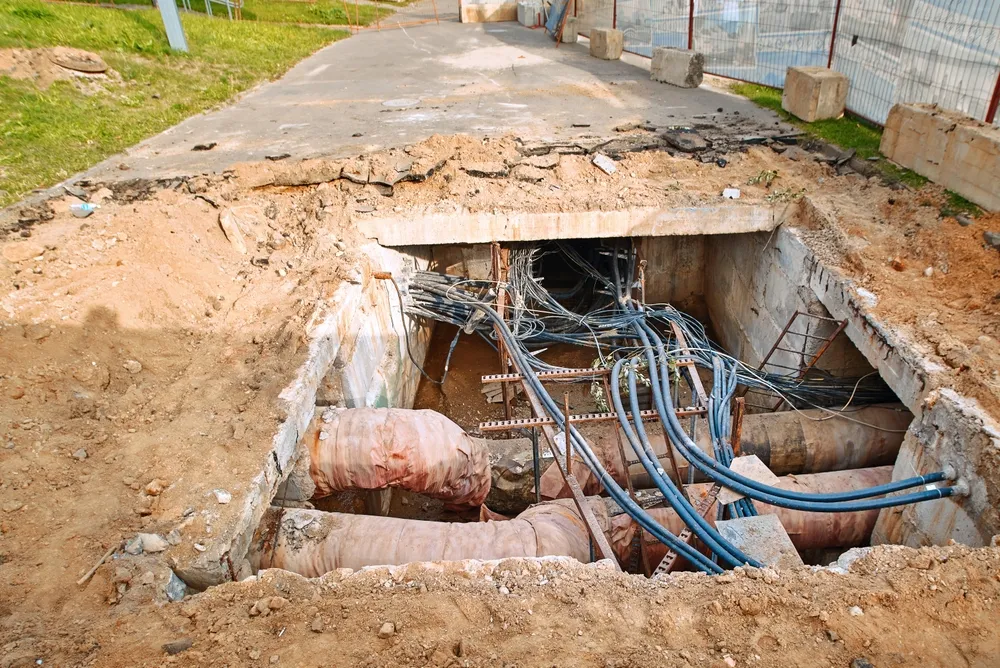
Creating a safe work environment starts with planning and preparation so the entire team knows how to manage hazards. Clear processes help keep the operation controlled while reducing the chances of hitting buried assets. Good communication and documentation make sure every step is tracked and followed through. Strong safety protocols also help avoid delays by preventing incidents that can interrupt the workflow.
Proper personal gear and the right skills give workers confidence and protection when dealing with pressurised equipment and underground utilities. Training also ensures the team reacts quickly and correctly if issues appear during excavation. Safety habits are reinforced through daily checks and toolbox meetings so everyone stays alert and focused.
Before starting work, buried cables and pipes must be located with reliable methods and records so the excavation stays accurate and controlled. Coordination with asset owners ensures correct mapping and avoids disruptive damage. Good planning also keeps the digging zone clear from unnecessary risks.
Removing soil and debris must be done with care so trip hazards and contamination do not spread across the area. Controlled spoil management keeps the zone organised and reduces the risk of incidents. Good boundaries around the site also ensure public and worker safety.
Technology helps excavation teams achieve greater precision while protecting underground services from accidental strikes. Sensors and smart controls provide better insight into what is happening at ground level. Modern equipment also cuts downtime by warning operators about mechanical issues early. These improvements support both safety and cost efficiency throughout the project.
Real-time systems give operators clear information on equipment status and soil conditions, improving judgement and decision-making. These digital tools help avoid overdigging and reduce water pressure misuse. Having instant feedback also keeps operators aware of nearby service locations.
Improved nozzle design allows teams to control water output with greater accuracy and speed. Paired with strong vacuums, the excavation area stays clean and visibility remains high. This supports safer handling of exposed services and easier reinstatement.
Automation plays a key role in preventing equipment failures and unplanned hazards. Sensors monitor performance and can stop machinery instantly if danger is detected. This gives workers extra safety even if a human response might be delayed.
Responsible excavation requires more than just digging safely because the surrounding community and environment must also be protected. Meeting legal obligations reduces the risk of fines and improves project approval. Good environmental care builds trust with clients and stakeholders who want low-impact construction solutions. Strong compliance helps maintain the reputation of the industry and ensures long-term sustainability.
Controlling soil movement prevents contamination that can harm natural habitats and nearby services. Protective methods help keep the environment stable around worksites. Proper storage and discharge systems support clean operations.
Keeping noise levels low supports better community relationships, especially near residential or public areas. Smart planning helps reduce disruption to daily activity. Open communication improves cooperation with neighbours.
Excavation waste must be handled properly so nothing harmful is left behind. Recycling options help reduce landfill pressure and improve environmental results. Reliable transport ensures spoil is delivered to approved facilities.
Protecting people and underground assets remains our number one priority because safe work means reliable results. By using smart planning and the latest technology, JSM Civil ensures every excavation is handled with care. Our approach safeguards the site community and environment while maintaining accuracy from start to finish.
Innovation in equipment and improvements in training continue to shape a stronger future for excavation services. Our company proudly delivers solutions that exceed expectations while following strict industry standards. By staying focused on efficiency and accountability, we can help every project move forward with confidence and peace of mind.


