Now Also operating from our new yard in Alice Springs. Our address is 3/31 Elder Street Ciccone 0870.


Hydro Excavation vs Mechanical Digging Near Underground Utilities
April 29, 2026
When excavation takes place around buried services, the choice between hydro excavation in Darwin and traditional mechanical digging directly influences safety, accuracy and project outcomes. In complex utility environments where assets are often closer together or shallower than expected, excavation methods must prioritise control over force to reduce the likelihood of costly strikes and disruptions. JSM Civil examines how hydro excavation compares with mechanical techniques in terms of safety, risk reduction, productivity and total project cost, while outlining where each method delivers the greatest value. The distinctions between these approaches and their role in mixed methodology projects will be clear for more informed planning and execution.
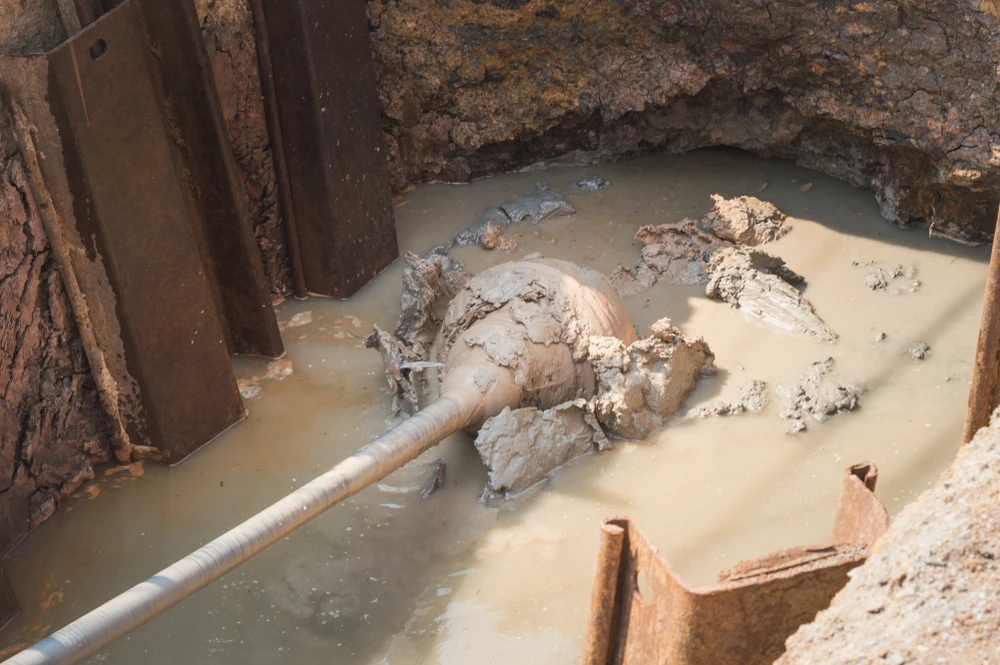
Excavation close to buried services is not just another digging task. It involves working around critical assets that are often hidden, inaccurately mapped or fragile, so the risk profile is far higher than in open greenfield ground. A standard mechanical approach that might be acceptable on an isolated site can become unsafe and non‑compliant as soon as high-voltage cables, gas mains or fibre networks are present.
Underground utilities change how projects must be planned, supervised and executed. The focus shifts from simple productivity to precise location, controlled excavation and strict protection of third‑party assets. Failing to adapt the method of excavation can result in serious injury, major service outages and significant regulatory penalties.
Dial‑before‑you‑dig plans and as‑constructed drawings are essential but are rarely perfect. Depths can vary due to past resurfacing, undocumented alterations or poor original installation. Services may not be in straight lines and older networks may not be recorded at all.
Because of this uncertainty, any excavation near known or suspected utilities must assume that:
A different approach is required that prioritises safe exposure and positive identification of every service before any ground removal proceeds.
Contact with buried infrastructure is not simply a repair issue. Each utility type presents distinct and severe consequences that justify more cautious methods.
Striking high-voltage electrical cables can cause arc flash, fire or electrocution with no warning. Contact with pressurised gas mains can lead to leaks, explosions and the need for large‑scale evacuations. Damaged water or sewer mains can create flooding, ground instability and contamination of the surrounding soil. Cutting communications or fibre networks can shut down businesses, traffic systems and critical facilities.
These consequences typically far outweigh any time or cost saved by aggressive mechanical digging. An excavation method that reduces impact forces and allows controlled exposure of services is therefore not optional near utilities; it is fundamental risk control.
Work near underground utilities is heavily regulated. Safe systems of work usually require documented service investigations, safe approach distances, competent supervision and the use of suitably non‑destructive methods when approaching known or suspected assets.
Technically, traditional plants such as backhoes and excavators are designed for productivity rather than finesse. Teeth, buckets and augers exert high point loads that can crack pipes or cut cables even with light contact. In contrast, specialist techniques such as hydro excavation use water and vacuum to gradually loosen and remove soil so utilities can be exposed visually with far less mechanical stress.
From a site management perspective, excavation near services must also accommodate:
All of these factors require a deliberate shift away from standard digging methods towards excavation techniques and procedures specifically tailored for working safely around underground utilities.
Hydro excavation and mechanical digging both aim to expose underground services and remove soil, but they work in very different ways. Understanding the basic processes behind each method is essential when assessing risk around power, communication, water and gas infrastructure.
Hydro excavation uses water and a vacuum to cut and lift soil, reducing the likelihood of striking buried assets. Mechanical digging relies on physical force from buckets, teeth or blades, which can be faster in open areas but carries a higher hazard potential near utilities.
Hydro excavation uses a high‑pressure water lance to break up soil while a powerful vacuum truck removes the slurry as it forms. The process is non‑destructive to most buried assets, provided appropriate pressures and techniques are used.
An operator directs a controlled jet of water onto the ground to loosen the soil. Typical operating pressures are selected based on ground conditions, for example, lower pressures in soft, saturated or backfilled areas and higher pressures in dense clays. The water turns the soil into a fluid slurry that is immediately extracted through a large‑diameter suction hose connected to a debris tank on the hydrovac unit.
Because the cutting medium is water rather than steel, the process is far more forgiving if the jet contacts conduits, cables or pipes. Operators can slow excavation when approaching DBYD / before‑you‑dig marked utility alignments, adjust the spray angle and reduce pressure to further minimise risk. The vacuum provides continuous removal of spoil, so the excavation face and any exposed assets remain clearly visible at all times.
Mechanical excavation uses equipment such as excavators, backhoes or trenchers to physically cut and lift soil from the ground. Digging power is delivered through steel buckets with teeth, augers or rotating cutting chains.
An excavator operator positions the machine, drives the bucket teeth into the ground and pulls the bucket through the soil. The removed material is lifted out and stockpiled besides the trench or loaded into trucks. In harder ground or rock, more robust teeth or rippers are used, applying higher point loads to the soil and any buried objects.
Mechanical methods are highly productive where large volumes of material must be moved and where underground services are either absent or have already been positively identified and safely exposed.
Near sensitive underground assets, hydro excavation is typically used to expose and visually confirm utility locations before larger-scale mechanical works proceed. The mechanical plant may then continue excavation at a safe offset from the verified alignment.
Hydro excavation often operates with smaller footprints and can work in live environments such as footpaths, road shoulders and verge areas while maintaining traffic and pedestrian access. Mechanical digging generally requires more clearance, exclusion zones and ground support, particularly for deeper trenches or where shoring is needed.
Many projects adopt a combined approach. Hydro excavation handles the high‑risk sections directly over or besides services, while mechanical equipment manages bulk earthworks in lower-risk areas.
Safety around buried utilities is the single biggest differentiator between hydro excavation and mechanical digging. Anyone planning excavation near power, communications, water, gas or sewer assets wants to know which method is less likely to hit a line and what controls actually reduce that risk on site.
Both hydro excavation and mechanical digging can be used safely if risks are understood and managed. The real issue is how each method interacts with unknown or inaccurately located services and what margin of error exists when conditions change once the ground is opened.
Mechanical excavation with an excavator bucket, trencher or auger involves rigid metal teeth cutting through soil with high force. If a bucket contacts a service, there is usually little time to react before damage occurs. Even a light scrape can compromise coating on gas or water mains or strip insulation on electrical conduits.
Strike risk is heightened when:
Mechanical methods often require a larger exclusion zone around known services to offset the lack of tactile feedback. Operators rely heavily on spotters and pre‑marking, yet once the machine is in motion, the cutting edge cannot differentiate between a rock and a PVC conduit.
Hydro excavation uses high-pressure water to liquefy soil and a vacuum to remove spoil. The water jet cuts soil but usually deflects off most utility surfaces instead of tearing through them. This fundamental difference typically results in a lower chance of damaging buried services when locating or exposing them.
When appropriate pressures are selected and non‑conductive nozzles and hoses are used, hydro excavation is suited to work around high-risk assets such as high-voltage cables, high-pressure gas and fibre-optic networks, where even minor damage has major consequences.
Site access and the condition of the ground often determine whether hydro excavation or mechanical digging is the safer and more efficient choice around underground services. The method selected affects how easily the plant can reach the work zone, how much ground support is needed and how much reinstatement will be required once excavation is complete.
Hydro excavation uses water and vacuum to cut and remove soil, resulting in smaller entry points, less ground disturbance and more flexibility in tight or sensitive locations. Mechanical digging relies on excavator buckets and augers, which can be faster in open sites but usually require more space and place greater stress on the surrounding surface and subgrade.
In built‑up streets, service corridors, commercial forecourts and around existing structures, space for machinery is often limited. Hydro excavation trucks can remain on the roadway while a hose and lance reach into the excavation area, reducing the need to drive heavy plant over pavements or landscaped areas. This approach is useful when working besides live traffic or within congested utility corridors where swing radius and machine footprint create safety issues.
Mechanical excavators require physical access to the dig line. Even compact machines need room for tracking, positioning and spoil placement, which can be a problem in narrow easements or between existing assets. Access tracks may need to be built and temporary removal of fences or street furniture is common, which increases cost and disruption.
Where access is restricted to pedestrian‑only paths or internal courtyards, smaller hydro excavation units or portable vacuum systems can reach locations that are impractical for mechanical machines of any size.
Soil type, moisture content and stability influence how effective each method will be. Hydro excavation performs well in most common soils, including compacted fill, clay and mixed ground, because high‑pressure water can cut through dense material and the vacuum system removes spoil without relying on the soil to break cleanly. In saturated or unstable ground, hydro excavation avoids large open faces, which reduces the risk of wall collapse around buried utilities.
Mechanical digging can be faster in firm, dry granular soils where a bucket can penetrate easily and maintain stable batters. In very hard ground or where rock is present, however, bucket excavation may need breakers or additional passes, increasing vibration and the risk of damaging nearby pipes or conduits. Soft or highly saturated soils present challenges for mechanical plants because tracks may bog and sides of trenches may slump, requiring more extensive shoring or benching.
Hydro excavation generally produces smaller precise openings and less overall disturbance to pavements, verges and landscaping. Spoil is contained in the vacuum tank rather than stockpiled besides the trench, which protects surrounding surfaces and reduces contamination or tracking of mud. This is important around sensitive finishes such as asphalt overlays, decorative concrete and established turf.
Mechanical digging tends to create wider working areas and heavier ground loading from tracked plants. Pavements can rut or crack and verge areas often require regrading and re-turfing. In car parks, driveways and paved footpaths, mechanical access may require saw cutting of larger slabs to accommodate the excavator, then more extensive reinstatement of concrete or asphalt.
Where the priority is to minimise visible impact, such as in front‑of‑house commercial areas, public streetscapes and occupied residential properties, hydro excavation typically results in smaller reinstatement areas, shorter occupation of the site and a cleaner finish once utilities have been exposed or installed.
Cost and efficiency around underground utilities depend less on the hourly rate of the machine and more on total project risk. A trench that is cheap per metre but causes a utility strike, delay or rework quickly becomes the most expensive option on site. The right method balances direct costs, productivity, utility density and required accuracy.
Hydro excavation typically has a higher upfront rate than a standard excavator, yet often saves money on projects with congested or high‑risk services. Mechanical digging usually remains the most economical option for bulk removal where services are few, well-mapped and can be confidently avoided.
Mechanical digging usually has a lower hourly plant cost. Standard excavators are widely available, operators are common and bucket production rates are high in open ground. For straightforward greenfield work with well‑marked services, the lowest direct cost per cubic metre usually comes from mechanical excavation.
Hydro excavation involves specialised vacuum trucks, water systems and trained crews, which typically carry a higher hourly rate. Productivity per hour can also be lower in very hard or dry ground. Looked at in isolation, the hydro option can appear more expensive.
However, utility damage, service relocations, delays to other trades, traffic management extensions and safety incidents are all part of the real excavation cost. On a site with dense power, gas, water and comms services, even one strike can outweigh the added spend on hydro excavation for critical sections.
Mechanical digging is more efficient for bulk removal, deep trenches in clear corridors and work in hard or rocky ground. Large volumes can be moved quickly and access for trucks is usually simpler. Where services have been positively identified and potholed, mechanical methods can then complete the bulk work at high speed.
Hydro excavation is most efficient for:
Although hydro excavation may remove less material per hour, its precision reduces time spent hand-digging, cleaning around live assets or rectifying accidental damage. The spoil is generally contained, minimising clean‑up and reducing the risk of contaminating surrounding surfaces.
Hydro excavation and mechanical digging each hold a defined place in civil construction near underground utilities, yet they are far from interchangeable. Mechanical methods continue to offer speed, productivity and cost efficiency for open, accessible sites and bulk earthworks where the risk profile is low and underground congestion is minimal. Hydro excavation delivers superior precision, utility protection and safety performance in complex corridors, congested easements and brownfield environments where a single strike can halt a project and escalate cost exposure. The most effective project outcomes are achieved through a risk-led approach that aligns excavation methods with site conditions, utility density and compliance requirements, using hydro excavation for controlled exposure and mechanical techniques for efficient bulk removal. This balanced methodology supports safer operations, protects critical infrastructure and improves overall project certainty in increasingly regulated and service-dense environments.


