Now Also operating from our new yard in Alice Springs. Our address is 3/31 Elder Street Ciccone 0870.


Can Excavated Slurry Go Straight Back Into the Hole?
October 26, 2026
A small utility excavation can leave behind a difficult question: what should happen to the wet material removed from the hole? Returning it might seem like the easiest way to finish the job, but filling an excavation does not automatically restore stable ground or provide suitable support around an underground service.
JSM Civil helps make hydro excavation part of a broader site planning process. Knowing how wet spoil behaves, when reuse may be appropriate and what is required for reinstatement can help civil project managers organise the work, compare supplier quotations and avoid unexpected costs once underground services have been exposed.
Hydro excavation slurry is a mixture of soil and water collected during excavation. Its characteristics depend on the ground conditions, the amount of water introduced and the composition of the material removed.
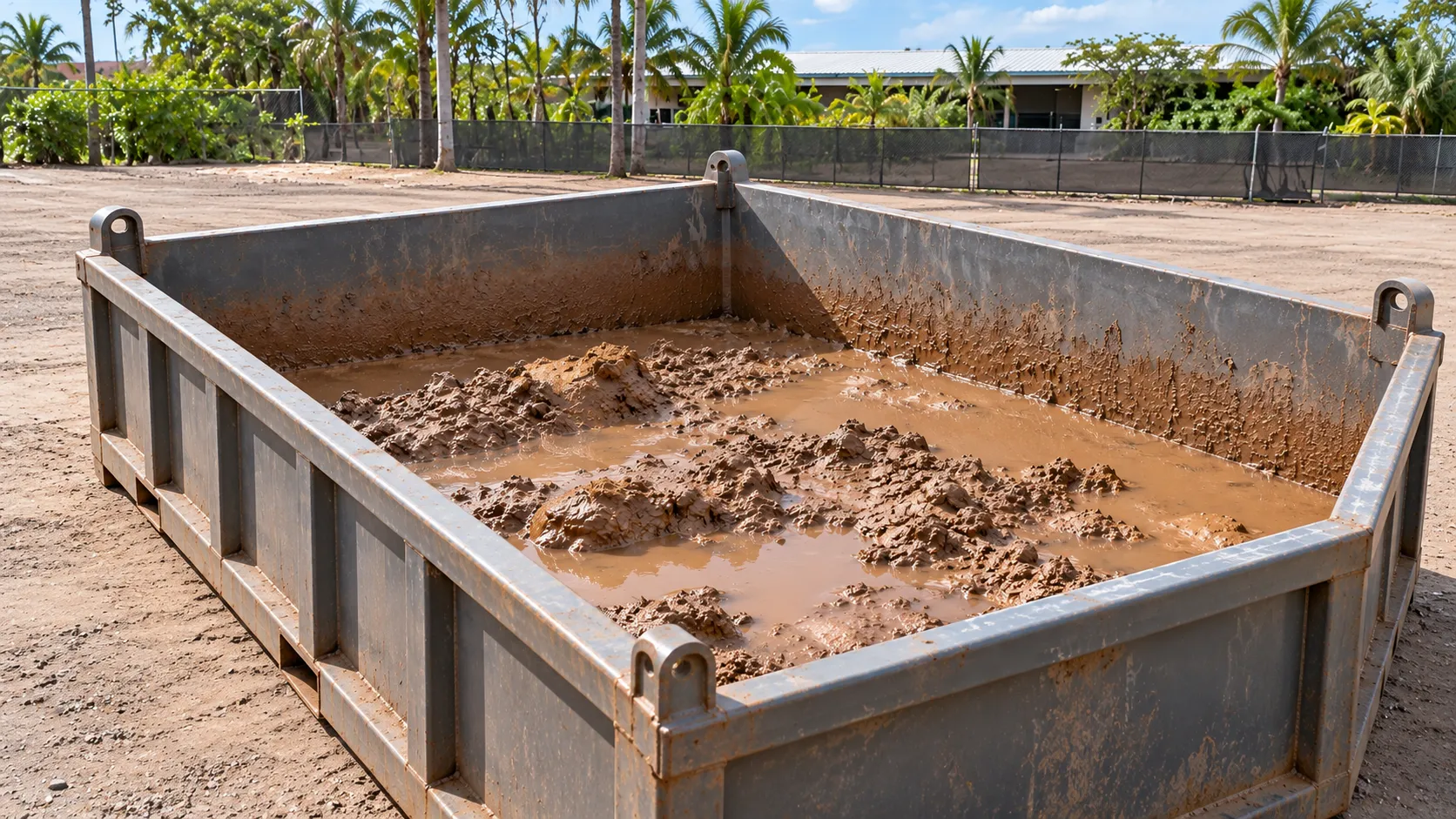
The key distinction is between material that fills a space and material that provides reliable support. Wet spoil may occupy an excavation without meeting the requirements for stable backfill, particularly beneath roads, footpaths and other surfaces that must withstand regular loads.
Hydro excavation uses pressurised water to loosen soil before a vacuum system removes the resulting slurry. This process changes the moisture condition of the excavated material, so soil that was firm in the ground may become a flowing mixture or a soft, wet mass after removal.
Different soils respond differently. Sandy material may release water more readily than soil containing a high proportion of fine particles. Clay-rich spoil can retain moisture and remain difficult to handle, while mixed ground may produce an inconsistent load containing natural soil and previously placed fill.
There is no universal drying period that makes hydro excavation slurry suitable for reuse. Soil composition, weather, storage conditions and the intended application all influence its suitability. A reduction in visible moisture does not establish that the material meets the project's backfill requirements.
When comparing providers of hydro excavation in Darwin, clarify how wet spoil will be managed after removal. The quotation should identify whether handling, assessment, reuse or disposal is included rather than leaving the material's final destination unresolved.
Suitable backfill must be capable of providing the support required for the specific application. Excess moisture can interfere with compaction and prevent material from achieving the specified density or stability.
If wet spoil is placed back into an excavation without appropriate assessment, it may consolidate or settle as its moisture condition changes. This can create depressions or reduce support beneath a reinstated surface. The likelihood and extent of movement depend on the soil, placement conditions and project requirements.
Backfill around an exposed utility also needs to protect the asset. Soil that originally surrounded a pipe or cable is not automatically suitable for reuse after excavation and mixing with water. The material must meet the requirements for the asset's bedding, protection and surrounding ground.
This article on safe utility locating through hydro excavation provides further context on exposing underground services. However, safe exposure and suitable backfilling are separate stages, each requiring appropriate planning.
Reuse may be possible, but it should follow a suitability assessment rather than an automatic decision to return everything to the hole. The material's condition, composition and intended application must be considered against the relevant project specifications.
Also, distinguish between material that may be useful elsewhere on a site and material that is acceptable directly around an exposed service. A spoil mixture might have a potential application in one area while remaining unsuitable for utility backfill or pavement support.
The fact that spoil comes from the project site does not make it suitable for every purpose. Particle size, consistency, organic content and foreign material can all affect performance. Hydro excavation may also combine material from different ground layers, producing a mixture that differs from the original soil in the excavation.
Moisture is only one part of the assessment. Drying or draining the material may change its handling characteristics, but it does not resolve every potential issue. The intended use and applicable acceptance criteria must still be considered.
Where contamination is a concern, appearance and smell alone cannot establish whether the material is safe or suitable for reuse. The site's history and the material encountered may indicate a need for further assessment or testing before a decision is made.
The project specifications should guide the final decision. Requirements for material placed around a utility may differ from those for fill used elsewhere on the site. Before reuse, confirm the required material properties, moisture condition, placement method and any testing or approval requirements with the responsible project professional.
This resource on ground conditions and environmental considerations offers additional background on why site conditions and material assessment matter.
A spoil management plan should identify where the excavated material is expected to go and who is responsible for arranging its handling. If reuse is proposed, establish who will assess the material, what acceptance requirements apply and whether the project schedule allows enough time for that assessment.
Do not assume that collected slurry will become suitable backfill after a set drying period. Its condition and suitability need to be checked against the intended application before it is placed.
Material unsuitable for utility backfill may have another approved use, but that possibility requires separate confirmation. It should not be treated as permission to place wet spoil elsewhere without considering the relevant project and environmental requirements.
If the material cannot be reused, confirm the arrangements for handling, transport and acceptance at an appropriate destination. Disposal requirements may depend on the material's characteristics and whether contamination is suspected. Where the material is classified as listed waste, the NT EPA’s information on listed waste handlers can help identify businesses licensed to handle that waste type.
Reinstatement should account for the exposed underground service and the surface that needs to be restored. A small utility excavation beneath a road may require specified backfill and compaction, while an excavation in a landscaped area may have different support, drainage and finish requirements.
Before work begins, agree on the required backfill material, the expected finished condition and who is responsible for each stage. This makes quotations easier to compare because the cost of exposing a service can be separated from the work needed to return the area to use.
The material placed immediately around a pipe or cable must meet the relevant bedding and protection requirements. Particle size, support characteristics and compatibility with the asset can influence the selection. These requirements should be established through the applicable project documentation and advice from the responsible professionals.
The material above the service must also suit the finished surface. Roads, driveways and footpaths rely on appropriate support beneath their surface layers. A neat surface repair cannot compensate for unsuitable underlying fill, and later settlement may damage the finish even if it initially appears sound.
Landscaped areas have different requirements, but that does not mean any available slurry can be returned to the excavation. Settlement, drainage and the condition of the intended planting surface still need consideration.
Before work proceeds, establish who will specify and supply the backfill, who will place it and who will confirm that the reinstatement meets the project requirements. Clarify whether inspections or acceptance checks are required before the final surface is restored. Compaction methods and engineering decisions should be determined by professionals.
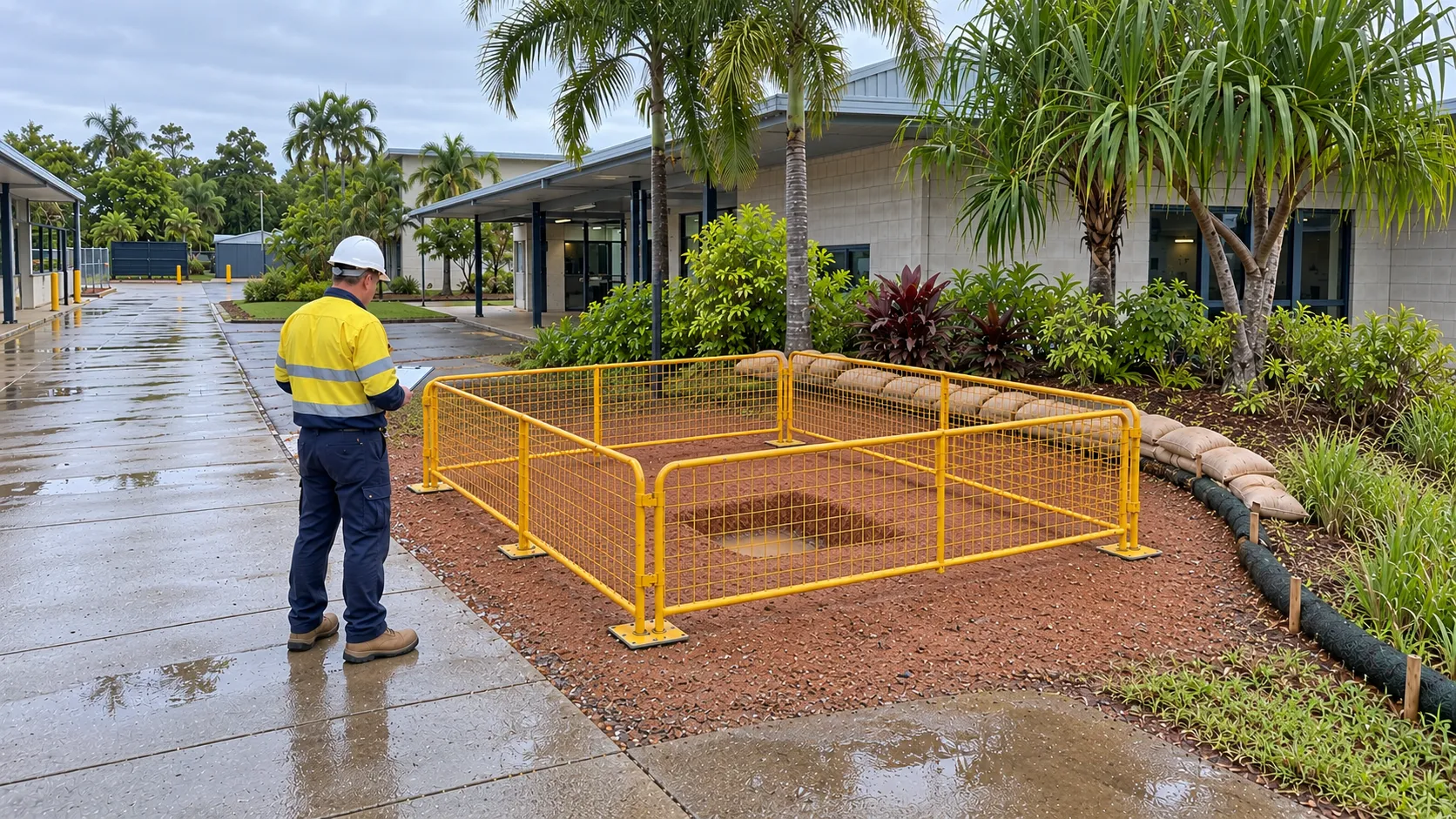
Rainfall can affect an excavation while it remains open and can change the condition of stored spoil before reinstatement. Water entering the hole may soften the excavation base or surrounding ground, while exposed or uncovered material may become wetter and harder to handle.
The appropriate response depends on the soil, the amount of water involved and the stage of the work. After significant rainfall or a noticeable change in conditions, the responsible site professional should check whether the planned backfill and reinstatement approach remains suitable.
The work programme should also identify who will manage the excavation during delays. Depending on the site, this may involve protecting the opening, controlling access and managing water ingress until the next stage can proceed. NT WorkSafe’s excavation safety guidance provides further information on managing excavation risks, including changing ground conditions and site inspections.
These responsibilities should be agreed upon before excavation begins. If rainfall or unexpected ground conditions affect the work, clarify who can approve changes to the planned approach and how additional costs will be agreed before work continues.
A clear quotation and work order should distinguish between utility exposure, spoil handling, backfill supply and surface reinstatement. Each item should have an identified owner, with exclusions documented so that necessary work is not overlooked.
Confirm a few practical details before accepting a quotation:
Resolving these questions early helps prevent delays, unclear responsibilities and unexpected costs after the excavation is complete.
Hydro excavation slurry should not automatically be reused as backfill simply because it came from the same hole. JSM Civil can be contacted to discuss hydro excavation requirements and clarify the scope of work needed for a project. Confirming spoil management, backfill responsibilities and reinstatement arrangements before excavation begins helps create a more predictable process from service exposure through to the finished surface.


