Now Also operating from our new yard in Alice Springs. Our address is 3/31 Elder Street Ciccone 0870.


Why Hydro Excavation Is Safer During Darwin’s Wet Season
February 26, 2026
Hydro excavation in Darwin has become the preferred method for non-destructive digging during the wet season, when intense rainfall and saturated soils make traditional excavation unpredictable and high risk. Once the monsoon sets in, ground conditions can change rapidly, increasing the likelihood of trench instability, service strikes and costly project delays. In this environment, JSM Civil relies on hydro excavation to safely expose underground services, maintain productivity and reduce disruption to critical infrastructure.
This article explains why water and vacuum technology are better suited to Darwin’s monsoonal conditions than conventional mechanical methods. Readers will learn how hydro excavation improves control in waterlogged ground, reduces the risk of damaging live utilities and supports safer work zones in heavy rain. By understanding these advantages, project managers, asset owners and civil contractors can make informed decisions about excavation methods that protect people, assets and programme timelines during the wet season.
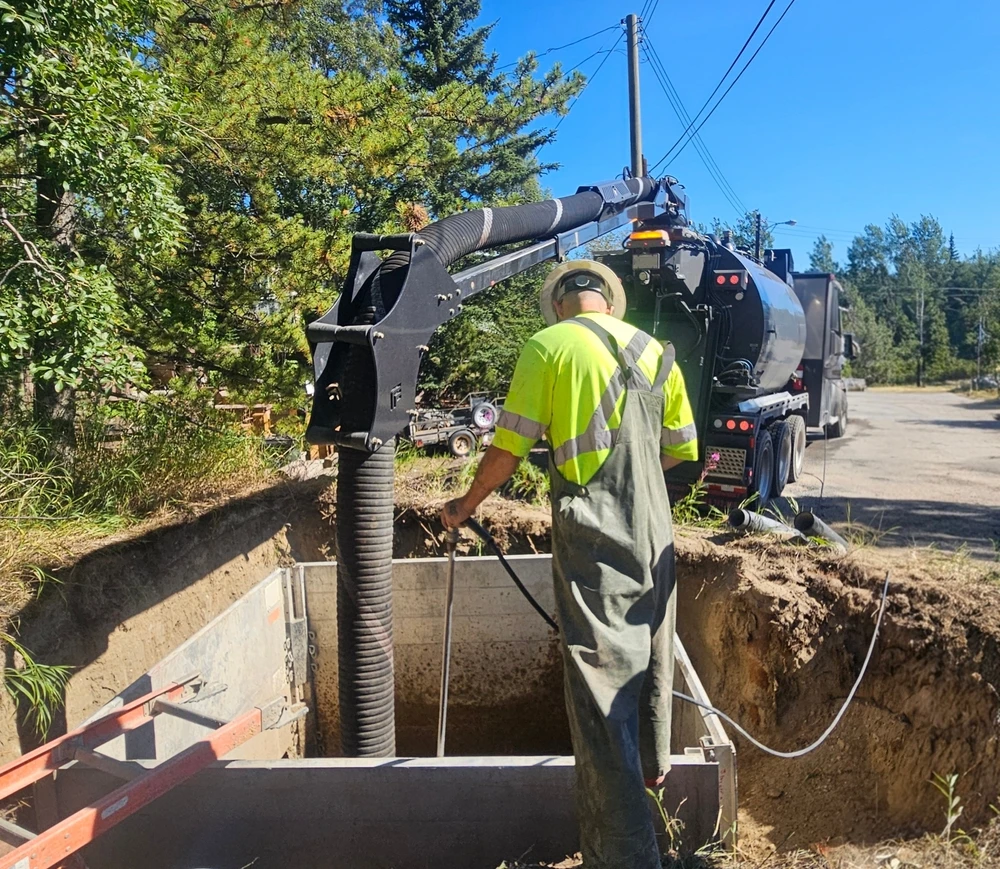
During the wet season, intense rainfall, high humidity and rapidly changing ground conditions create a fundamentally different excavation environment. Projects that are manageable in the dry can quickly become unstable once soils are saturated and drainage systems are under pressure.
Waterlogged ground loses strength and cohesion. Clay-based and sandy soils soften, reducing their ability to support trench walls or adjacent pavements. Even shallow excavations can become unstable once rain infiltrates the soil profile.
Surface water movement also becomes unpredictable. Stormwater systems operate at capacity, low-lying areas flood quickly and groundwater can rise into open excavations. Access tracks deteriorate, visibility reduces during heavy downpours and work zones become harder to control safely.
The wet season does not just make excavation inconvenient. It changes soil behaviour, increases environmental sensitivity and introduces instability that must be managed carefully before any digging method is selected.
Heavy and frequent rain turns typically firm ground into waterlogged, unstable soil. Clay-based and sandy soils can lose strength when saturated, increasing the risk of trench collapses and wall slippages.
Traditional mechanical excavation cuts steep, hard edges that can appear stable at first. Once rainwater infiltrates, these edges can soften unexpectedly and fail without warning. Even shallow trenches can slump or cave in, putting workers at serious risk if they are in or near the excavation. The need for wider batters or additional shoring in the wet also increases the footprint of works and can impact nearby structures, pavements or vegetation.
Soft, saturated ground also affects the stability of machinery. Excavators and trucks can bog or become unbalanced on slippery surfaces, which increases the chance of rollover incidents or uncontrolled movements close to live traffic or services.
During the wet season standing water and muddy conditions make it much harder to visually confirm the location of underground assets such as power, communications, water and sewer lines. Even when dial-before-you-dig information and service locators are used, the exact alignment and depth can be concealed by turbid water and slurry.
Mechanical teeth or buckets working in these conditions have a higher chance of striking buried services. Contact with electrical or communications conduits can cause outages or serious electrical incidents, while damage to pressurised water, gas or sewer pipes can quickly become an environmental and safety issue once combined with surface flooding.
Stormwater systems are also under greater load in the wet. Excavation close to pits, culverts or open drains can undermine these assets if the ground is already saturated and flowing water is redirected by poorly planned works.
Wet season storms often arrive suddenly with intense downpours that reduce visibility for plant operators and workers on the ground. This makes it harder to maintain clear lines of sight around excavation edges, pedestrians and other machinery, particularly on constrained urban sites.
Access tracks and work platforms can quickly become slippery, rutted or flooded. This increases the risk of slips, trips and falls for workers on foot and can cause vehicles to slide near open excavations or live traffic lanes. Sediment-laden runoff can also spread beyond the work area, which makes it harder to maintain clean, clearly defined boundaries and safe exclusion zones.
Traditional mechanical excavation relies on stable ground and clear visual control of the bucket cutting edge. In saturated conditions, both assumptions break down.
Soils that would normally hold a clean trench face begin to slough and collapse once cut. Excavator operators lose the firm resistance needed for controlled excavation because waterlogged soils shear and deform under pressure. This reduces precision and increases the likelihood of over-excavation.
Saturated ground also compromises plant stability. Tracked and wheeled machinery can bog, slide or shift unexpectedly on soft subgrades. Even minor machine movement affects bucket accuracy, particularly when working near known service corridors.
Visibility is another limitation. In heavy rain, trenches fill with muddy water almost immediately. The operator is often digging below the waterline without being able to visually confirm proximity to services. Mechanical excavation still removes large volumes of material even when the operator cannot clearly see the cutting edge or the service strike zone. This reduces the margin for error and increases the likelihood of accidental contact with buried assets.
To compensate, crews often widen trenches, bench back slopes or install additional shoring. This increases excavation footprint, spoil volumes and reinstatement requirements, making wet season mechanical works slower and less predictable.
Mechanical excavation relies on the bucket cutting against stable ground. Soils quickly become waterlogged, destroying that stability. Clay and silty sands pump under pressure, the sides of trenches slough away and the excavator operator loses a clear cutting edge.
Saturated ground also reduces traction for tracked or wheeled plants. Machines can bog, slide or sink into soft spots, affecting bucket control and accuracy. The operator may intend to peel off a shallow layer but instead dig too deep or undercut a trench wall because the machine shifts unexpectedly. To compensate, crews need to over-excavate and bench back slopes, which means more spoil to manage and higher cart-away costs.
In good conditions, a skilled operator can visually track bucket teeth close to marked services. In the wet, visual control is compromised. Excavations fill with muddy water almost as soon as they are opened. The bed material turns to slurry and the bucket often scoops blindly below the water surface.
This lack of visibility is problematic in older suburbs and industrial areas, where as‑constructed information can be incomplete. Saturated backfill makes it harder to feel the difference between soil and service with the bucket. The combination of blind digging, floating debris and softened bedding increases the chance of contacting:
Each strike carries major safety, outage and repair implications and can easily shut down a wet‑season workfront.
Wet conditions magnify safety risks on mechanical excavation sites. Slippery surfaces around the excavation edge increase the likelihood of slips and falls. Trench walls that would stand in the dry can fail suddenly once saturated, which is a serious hazard for workers installing pipework or formwork. To stay compliant with safety codes, crews must widen and batter excavations or install shoring, which is slower and often impractical in confined sites.
Access is also restricted. Heavy machinery can damage unsealed roads and verges when the subgrade is soft, creating deep ruts and access issues for nearby residents and businesses. Site runoff from mechanically excavated areas is typically more turbid because loose spoil is easily mobilised by stormwater. These combined factors explain why traditional mechanical excavation methods struggle to deliver safe, predictable outcomes and why alternative techniques are often preferred once the monsoon arrives.
Hydro excavation addresses the limitations of mechanical digging by replacing cutting force with controlled soil disaggregation and vacuum removal.
Instead of relying on bucket teeth and machine weight, high-pressure water breaks up soil in small, manageable increments. The vacuum system immediately removes loosened material, creating a clean and visible excavation face even in saturated conditions.
Because the process is gradual and highly controlled, crews can visually confirm the location of underground services as they are exposed. This significantly reduces the likelihood of damaging live assets when compared to blind mechanical digging below muddy water.
Hydro excavation units can also operate from firmer ground or sealed pavements while extending hoses into softer zones. This reduces heavy plant movement across unstable subgrades and lowers the risk of rutting or machine instability.
Spoil is contained within the vacuum tank rather than stockpiled beside the trench. This prevents saturated material from slumping back into the excavation or washing into nearby drains during sudden downpours.
The key difference is control. Hydro excavation allows operators to adapt to unstable wet season conditions without relying on ground strength or full visibility of a mechanical cutting edge.
Service plans are harder to follow, and paint marks wash away, increasing the chance of hitting live assets. Hydro excavation removes soil in controlled increments so the crew can visually confirm the exact location of services without relying solely on documentation.
Water breaks up the softened ground while the vacuum immediately removes material. This creates a clean, narrow excavation around power, water, sewer and communications lines. Instead of a bucket or ripper blindly cutting through saturated soil, the water jet can be adjusted to work safely around delicate conduits or older clay pipes.
Heavy machinery moving on boggy ground can cause rutting, unexpected ground movement and a higher risk of plant rollovers. Hydro excavation units can often work from stable ground or sealed pavements while the hose and wand reach the excavation point, reducing the need for large machines in the soft zone.
Because hydro excavation typically requires smaller and narrower holes than traditional trenching, there is less open excavation exposed to rain. This lowers the risk of trench wall failures and edge collapse. Spoil is contained in the vacuum tank rather than stockpiled beside the trench, which prevents saturated spoil heaps from slumping back into the excavation or into adjacent drainage lines.
Excavation continues to move large volumes of soil even when the operator’s view of the bucket edge or service strike zone is compromised. With hydro excavation, the operator works besides the excavation with the nozzle and can immediately see the effect of the water jet on the ground.
The combination of water and vacuum also keeps the work face cleaner. Instead of working in a muddy slurry, the vacuum removes loosened material as it is created, exposing surfaces clearly. This clean exposure is essential for safe hand work and for inspection by supervisors or asset owners who need to verify clearances before any follow‑on mechanical excavation resumes.
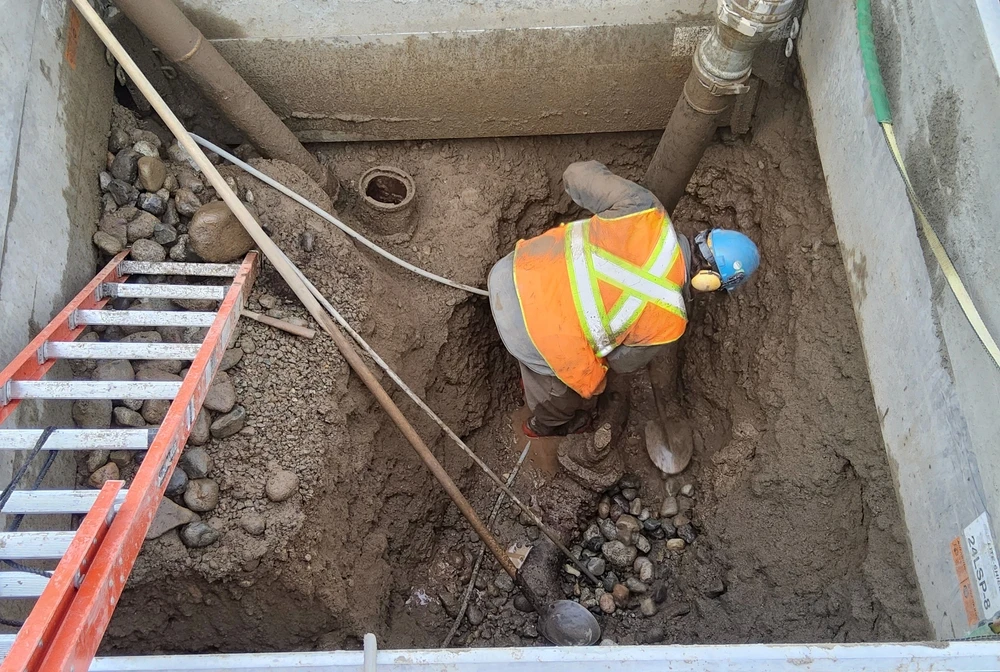
Many critical projects now specify hydro excavation as the preferred method because it handles saturated soils more safely and with greater control. Wet season works often require accurate location of underground services, controlled spoil management and minimal ground disturbance to keep programmes on track despite the weather.
Power, water, sewer, NBN and communications projects are some of the biggest users of hydro excavation. In established suburbs, the ground is crowded with existing assets that can be difficult to see on outdated plans or through muddy trench water.
Hydro excavation allows crews to safely pothole and expose live services for verification before any mechanical digging begins. This is important around high-voltage conduits, asbestos cement water mains and fibre optic cables, where a strike can shut down entire networks. During wet conditions, contractors use hydro excavation to create narrow, precise trenches for small-diameter service installations such as new communications lines or water connections, reducing reinstatement costs and surface damage.
Road reconstructions, stormwater upgrades and culvert installations continue through the wet, particularly on time-critical government programmes. Saturated subgrades and heavy rainfall make open excavation with machines unstable and prone to collapse.
On these sites, hydro excavation is typically used to:
Because the vacuum system contains and removes slurry as it cuts, spoil does not wash into drains or across pavements during storms.
Access tracks can become boggy and visibility in excavations is reduced during the wet season, increasing the likelihood of damaging high-value assets. Hydro excavation allows crews to daylight critical fuel lines, high-pressure water mains and specialised communications cables without applying mechanical force to the pipe or conduit.
The non-destructive process is particularly important in industrial environments, where accidental strikes can have serious safety, environmental and security implications. In remote or low-lying areas that flood quickly, hydro excavation units can operate from stable high ground while extending hoses into saturated zones, reducing the need for heavy plant to enter unstable ground.
Planning is the difference between a smooth dig and weeks of costly downtime. In a different climate, timing, site controls and communication need to be built into the programme from day one, not added as an afterthought once the rain starts. Contractors plan hydro excavation works around forecast conditions, soil behaviour and access constraints so crews can keep working safely while minimising disruption to other trades and the public.
Effective wet season planning means identifying what will go wrong when the sky opens and designing the job so that risks like flooding, unstable ground and poor visibility are controlled before trucks arrive on site. This approach shortens stoppages, improves safety and protects existing services that can be harder to locate in saturated ground.
The wet season brings intense short storms rather than steady light rain, so contractors programme critical excavation near essential services for predicted lower rainfall windows and keep less sensitive work for days with a higher risk of downpours. Seven-day and seasonal forecasts are reviewed with clients so key dates can be adjusted early if needed.
Soil conditions change quickly once the rain hits. Dry lateritic soils can become slick and unstable in hours, affecting vacuum performance and spoil handling. Before work starts, experts assess soil type, drainage paths and fall across the work area, then select nozzles, vacuum units and spoil tanks that can cope with high moisture content and potential slumping.
On wet season projects, the site layout is designed to manage water movement from the start. Contractors plan temporary drainage paths, bunds and sump locations so surface water is directed away from excavation work zones and public interfaces. Where possible, excavations are broken into shorter sections so any one area can be quickly secured and pumped out if a storm hits.
Spoil management is critical in heavy rain. Experts allocate designated spoil stockpile zones on higher ground or on geofabric and mats so wet material does not flow back into work pits or across access paths. Separated slurry or liquid spoil is scheduled for regular removal to approved facilities to prevent overflows.
Traffic and pedestrian management plans are also adapted for wet conditions. Works near live roads or footpaths include wider exclusion zones, slip-resistant access paths and clear detours so that increased spray glare and reduced braking distances during storms do not lead to incidents around the excavation area.
Contingency planning includes predefined trigger points such as rainfall intensity, water level in pits or lightning proximity that require work to pause and sites to be secured. Equipment is selected and positioned so it can be demobilised or relocated to another section of the project, allowing productive work to continue even if one area becomes temporarily unsafe.
By integrating weather access and stakeholder contingencies, contractors help clients maintain progress through the wet season while keeping people, assets and underground services protected.
Darwin’s wet season places real pressure on excavation works. Saturated soils, rapid rainfall and reduced visibility increase the risk of service strikes and ground instability, particularly when mechanical methods are used.
Hydro excavation offers a controlled, non-destructive alternative suited to these conditions. By enabling precise exposure of underground assets with minimal disturbance, it reduces risk, protects infrastructure and supports safer project delivery through monsoonal weather.
When conditions are unpredictable, control becomes critical. Selecting the right excavation method during the wet season is not just about productivity. It is about protecting people, assets and programme certainty.


