Now Also operating from our new yard in Alice Springs. Our address is 3/31 Elder Street Ciccone 0870.


Why Directional Drilling Is Often Used During Darwin’s Wet Season
February 16, 2026
Darwin’s wet season brings intense rainfall, saturated ground and unpredictable flooding that can quickly derail traditional excavation works. In these conditions, open trenching often becomes slow, unsafe and costly as waterlogged soils collapse and access roads deteriorate. For infrastructure owners, developers and contractors, this seasonal reality has a direct impact on programme certainty, construction risk and overall project cost.
JSM Civil explains why directional drilling is so often the preferred method during the wet season. Readers will gain insight into how trenchless techniques maintain productivity when surface conditions are at their worst, how they reduce environmental disturbance in sensitive tropical landscapes and how they help protect critical assets. The discussion also explores practical considerations, so project stakeholders can decide when planning works through wet months.
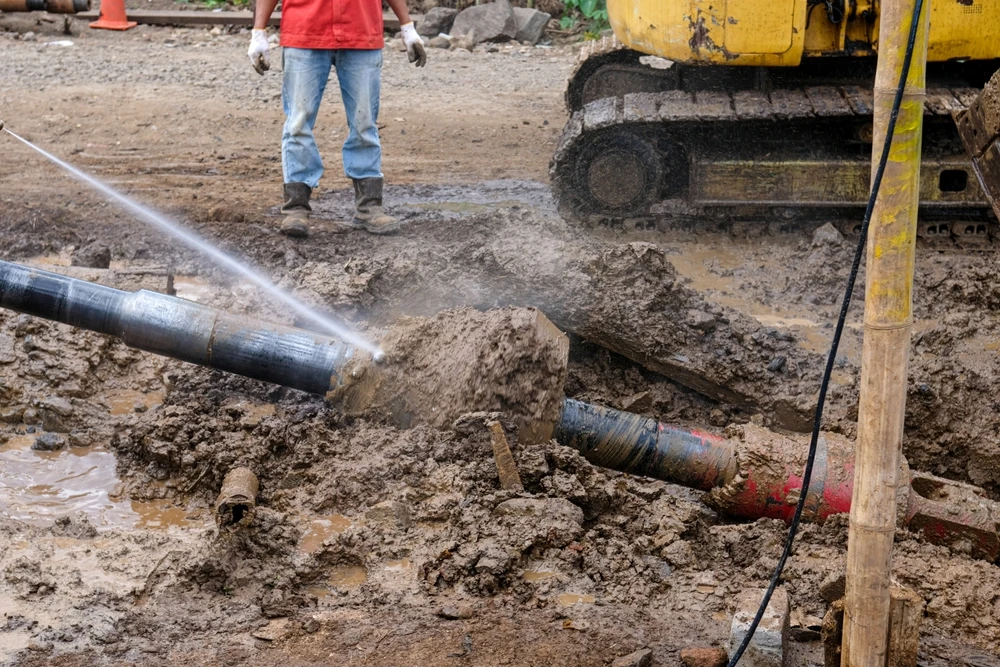
Darwin’s wet season transforms otherwise manageable construction environments into highly variable, high‑risk work zones. Heavy rainfall, saturated ground and frequent storms affect how safely underground services can be installed or repaired. For utilities, civil contractors and asset owners, this period can mean increased costs, schedule blowouts and a higher risk of damage to existing infrastructure if the wrong construction methods are used.
The combination of soft ground, surface flooding and access limitations is often the deciding factor that pushes projects towards trenchless techniques such as directional drilling.
The wet season brings intense downpours that quickly turn excavation sites into waterlogged pits. Open trenches in clay or silty soils can collapse as the soil loses strength once saturated. This creates safety hazards for workers and puts nearby roads, driveways and structures at risk of subsidence.
Continual dewatering is usually required to keep trenches workable. Pumps, settlement tanks and discharge controls add cost and slow production. The more it rains, the more the trench walls slough and the more reinstatement is needed. What might be a straightforward dig in the dry becomes a cycle of re-excavation and recompaction in the wet.
High groundwater tables are another issue. In low‑lying parts, the water table can sit only a short distance below the surface during the wet season. This restricts trench depth and makes it difficult to achieve the required cover on services like sewer and water mains without extensive shoring and dewatering.
Wet season storms and heavy showers regularly cut access to job sites. Unsealed roads and verges become boggy, which limits the use of heavy machinery. Even in urban streets, soft shoulders and saturated subgrades can no longer support repeated truck movements without rutting or pavement damage.
For open-cut utility work, this means larger traffic control footprints and more intrusive diversions because longer sections of road have to be opened up at once to maintain productivity. Extended lane closures are rarely acceptable in busy corridors, especially during cyclone preparation periods when network resilience is a priority.
Environmental controls are also far more demanding in the wet. Any exposed spoil or stockpiles are easily washed into drains and waterways, which breaches erosion and sediment control requirements. Contractors need more silt fencing, diversion bunds and stabilisation measures. Keeping trenches open for longer simply increases the risk of run‑off impacts and compliance issues.
Dense networks of existing services under roads and verges are already at higher risk during the wet because saturated ground can move and undermine poorly supported assets. Open trench excavation around live water, gas, power or communications lines is more hazardous when visibility in muddy water is poor and trench sides are unstable.
If existing services are exposed for inspection or tie‑ins, heavy rain can undercut bedding material and wash away support. This introduces future failure points, especially on gravity systems like sewer and stormwater, where small changes in grade can affect flow. Reinstatement must be more robust to withstand repeated wet season cycles.
The key concern is reliability. Any method that increases the chance of infiltration into sewers or loss of cover over water and electrical assets is viewed cautiously during the wet months. This is a major reason to look for techniques that minimise open excavation and keep new and existing infrastructure well confined and protected below ground.
Traditional open-cut trenching becomes far more difficult and risky once the wet season sets in. Heavy rainfall, saturated soils and frequent storms turn what might be a straightforward excavation into a slow, messy and often unsafe exercise. This is why developers, utility providers and civil contractors increasingly look for alternatives, such as directional drilling, during these months.
Understanding the specific problems trenching faces in wet season conditions helps project owners plan realistically for programme timeframes, costs and safety. It also highlights where trenchless options can avoid delays and rework while still delivering the required services or pipelines.
Heavy wet-season rain quickly saturates the ground. Once soils are waterlogged, they lose strength and shear resistance, which traditional trenching relies on to keep vertical cuts standing.
In practice, this means trench walls that would stand up in the dry slump or collapse in the wet. Contractors have to over-excavate to flatten batters or install extensive shoring just to keep workers and assets safe. Even with shoring in place, movement is common, so crews must constantly clean out fallen material and re-check trench stability, which slows productivity and pushes out programme dates.
In clay and expansive soils, moisture also causes ground heave and shrink-swell cycles. Trenches cut one day may deform overnight after heavy rain. This can disturb pipe grades or conduit alignments and lead to rectification works once conditions improve.
Open trenches in the wet season act like drains, catching surface runoff and groundwater. Even a short storm cell can fill an excavation, making it impossible to safely place bedding material or lay pipes until the water is removed.
Contractors are then forced to set up pumps, silt control and discharge lines simply to keep trenches workable. De‑watering becomes an ongoing task that consumes labour, fuel and plant time. Fine sediments suspended in water can also wash out bedding or undermine newly laid pipes, which may later require re-compaction or re-laying.
Regulatory requirements add another layer of complexity. Pumped water often needs to be treated or filtered before discharge to protect nearby creeks, mangroves and stormwater systems. In urban areas, this can slow work and increase compliance costs.
Wet season conditions reduce access to many sites. Unsealed roads soften and rut, so heavy equipment can bog before it even reaches the trench line. On constrained urban projects, saturated verges and nature strips are easily damaged by tracked or wheeled plant, leading to reinstatement costs and complaints from residents or asset owners.
Safety risks also increase. Slippery surfaces, poor visibility during storms and the risk of trench inundation demand stricter controls and more frequent work stoppages. For live service corridors, there is added risk that moving saturated soils can expose or undermine existing utilities.
Environmental constraints are tighter in the wet. Erosion and sediment runoff from open trenches can quickly impact waterways, so erosion control measures are mandatory and must be constantly maintained. All of these factors compound to make traditional trenching slower, less predictable and more expensive during the wet season compared with trenchless methods.
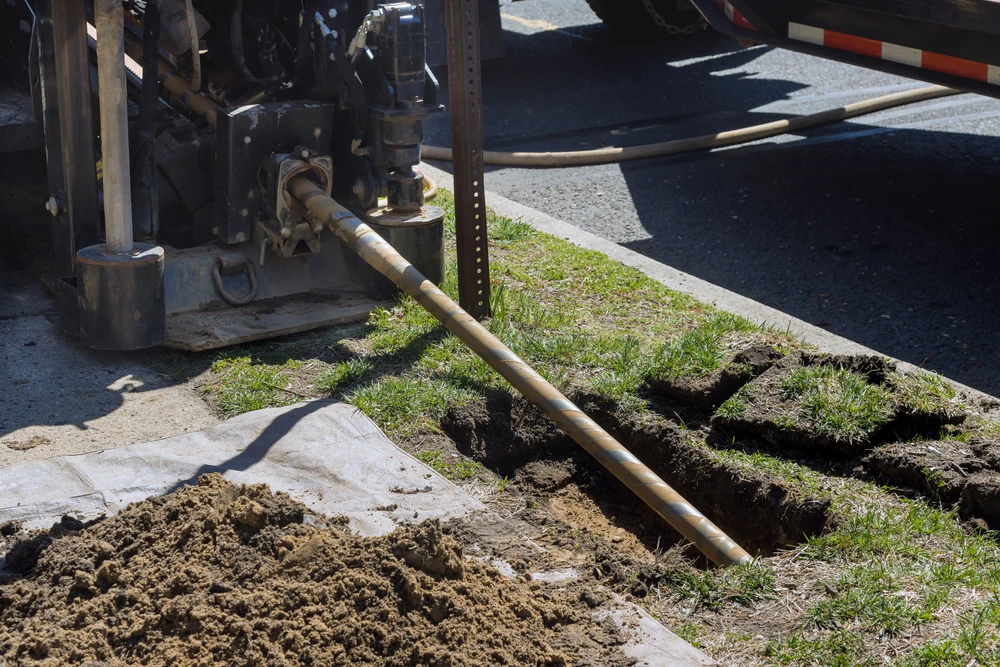
Heavy rain can quickly flood open trenches, wash away bedding material and destabilise new underground services. Directional drilling largely avoids these risks by keeping most of the construction activity underground with only small entry and exit pits exposed to the weather. This makes it far easier to maintain the integrity of pipes and conduits while work continues through prolonged wet conditions.
By controlling the drilling path depth and product pipe installation from the surface, drillers can protect critical infrastructure from stormwater runoff, traffic loads and soil movement that are common in tropical downpours. The result is more reliable underground assets with fewer weather-related failures and less rework.
Traditional trenching exposes long stretches of new pipe and cable to heavy rain. This can lead to trench wall collapses, silting around the asset and misalignment as bedding is washed out. Directional drilling limits exposure to a few compact work zones that are easier to dewater, protect and backfill quickly between storms.
Because the drill path is created underground at a controlled depth, services are installed in relatively undisturbed soil that is less affected by surface runoff. This reduces the chance that a sudden storm will undermine the support around a new water main, sewer pressure main or communications conduit. It also helps maintain the correct grade for gravity services by avoiding repeated reshaping of a wet trench.
Wet season conditions can turn surface soils to slurry while deeper layers remain more stable. Directional drilling allows experts to target these more competent strata with a designed bore depth, which improves long-term support for the installed service.
Drilling fluids are used to stabilise the borehole and suspend cuttings so the ground around the pipe remains supported even when the surrounding soil is saturated. This fluid support helps prevent voids from forming around the pipe that could later collapse under traffic or flood loads. During pullback, the pipe is installed in a single controlled operation, limiting the chance for water to enter and compromise the surrounding ground.
Wet weather often coincides with increased demand on existing utilities. Directional drilling enables new services or upgrades to be installed with minimal interruption to what is already in the ground. Because there is no long open trench, there is less risk that floodwater will expose or damage live water, sewer, electrical or communications lines.
Maintaining traffic and property access is also easier. Entry and exit pits can be located outside flood-prone low points where possible and can be shored and pumped out quickly after storms. This keeps roads, driveways and business entrances open while still allowing underground installation work to progress throughout the wet season.
Many critical infrastructure projects cannot simply stop for months at a time. Directional drilling allows essential upgrades and new services to continue even when open trenching would be unsafe, too slow or too disruptive in saturated ground. It is valuable where access is limited and where existing assets must be protected.
Drillers commonly apply directional drilling across a range of underground works that need to proceed through continuous rain, high water tables and soft or unstable soils. The method lets crews install pipes and conduits accurately under roads, creeks and congested service corridors while keeping the surface largely undisturbed.
Water, sewer and power projects are highly time sensitive and often programmed through the wet season. Trenchless installation is typically preferred when:
Power and communications conduits are also frequently drilled during the wet. Cable routes to new subdivisions, industrial estates or defence facilities often involve multiple road and drain crossings. Directional drilling lets these go ahead while traffic flows and without leaving long trenches exposed to flooding.
Transport corridors must stay open during the wet, which makes trenching across them very difficult. Directional drilling is typically used for:
For rail corridors, directional drilling avoids disrupting train operations and reduces the risk associated with working close to tracks in slippery conditions. Services, such as signalling conduits or water mains, can be installed underneath the formation with far less exposure to weather delays.
Coastal and industrial sites often sit on low‑lying ground that becomes waterlogged during the wet season. Directional drilling is well-suited to these environments because it limits disturbance of soft surface soils that can quickly turn to mud and slump.
Projects that typically rely on directional drilling include:
These facilities have critical uptime requirements, so works are often locked into tight shutdown windows that fall in the wet season. Using directional drilling, professional drillers can install new services beneath access roads, bund walls and internal drains while keeping operational areas functional and safer for ongoing site activities.
Heavy rain, cyclones and saturated ground can quickly disrupt poorly planned works and increase safety and environmental risks. By planning around weather patterns, ground conditions and site access, JSM Civil can keep programmes moving even when open-cut excavation is not viable.
Good wet season planning focuses on reducing time on exposed surfaces, limiting plant movements on soft ground and protecting underground assets and the environment. The following considerations help clients understand how drillers prepare directional drilling packages to minimise disruption.
Programming for the climate starts months before the wet sets in. Drillers typically schedule higher-risk open trenching, complex access works and geotechnical investigations for the dry months. Directional drilling is then programmed to carry the project through the wet, when ground disturbance must be kept to a minimum.
Key tasks in this stage include confirming long-lead materials before the wet, locking in drilling windows that avoid peak cyclone periods as far as practicable and sequencing bores. This approach reduces the chance that a stalled bore will hold up the entire construction programme.
Successful drilling depends on understanding how the ground will behave once it is saturated. Professionals review geotechnical data, groundwater records and past project experience to anticipate issues, such as collapsible sands in coastal areas, reactive clays that soften under prolonged rain and elevated groundwater levels.
Bore paths are then designed to avoid problem zones wherever possible. That can mean setting the bore deeper to stay below seasonal water tables or adjusting entry and exit points to bypass low-lying sections that flood. Drilling fluids are selected to suit wet ground conditions with additives to improve hole stability and cuttings transport in saturated soils. The company also plans for increased fluid volumes and recycling capacity, so that mud systems can cope with longer or slower bores caused by wet season constraints.
JSM Civil factors in how crews and plant will reach entry and exit pits once local roads become boggy or flooded. Temporary access solutions, such as geogrid-reinforced pads, track mats and raised working platforms, are designed before works start so they can be deployed quickly when rain hits.
Environmental and stakeholder risks are also addressed at the planning stage. This includes designing bunded drilling fluid containment in case of intense downpours, planning for rapid spoil removal before pits fill with water and nominating safe drill shutdown procedures for lightning or cyclone warnings. Contingency allowances are built into the programme for weather-related stand-downs and critical bores often have alternative alignments reviewed in advance.
The wet season doesn’t have to mean delayed projects, idle crews and frustrated clients. By relying on directional drilling as a primary installation method, there is reduced weather-related downtime, protecting existing services, minimising surface disruption and maintaining programme and budget. The ability to work under saturated ground conditions, avoid extensive open trenching and keep traffic and local communities moving is not just a technical advantage; it’s a commercial one. Directional drilling isn’t a niche capability reserved for difficult jobs; it’s a core strategy for building resilience into every project.


