Now Also operating from our new yard in Alice Springs. Our address is 3/31 Elder Street Ciccone 0870.


When Is Directional Drilling Used for Electrical Conduits?
September 21, 2026
Directional drilling provides an efficient way to install electrical conduits where open trenching would be disruptive, difficult or impractical. A steerable drilling rig creates a planned underground path beneath roads, rail corridors, driveways and other obstacles while keeping surface disturbance to a minimum.
JSM Civil delivers solutions for projects where existing services, ground conditions or site constraints make conventional excavation challenging. The method can reduce traffic disruption, excavation and reinstatement while allowing conduits to follow controlled underground routes.
The right installation depends on factors such as bore depth, ground conditions, conduit requirements, access and existing utilities. Careful planning helps determine whether directional drilling is suitable and allows the conduit to be installed safely and reliably.
Directional drilling installs electrical conduits through a guided underground bore rather than a continuous open trench. The process allows conduits to pass beneath roads, driveways and other obstacles while limiting surface excavation.
The installation follows four stages: planning the route, drilling the pilot bore, enlarging the bore and pulling in the conduit, then checking the completed installation.
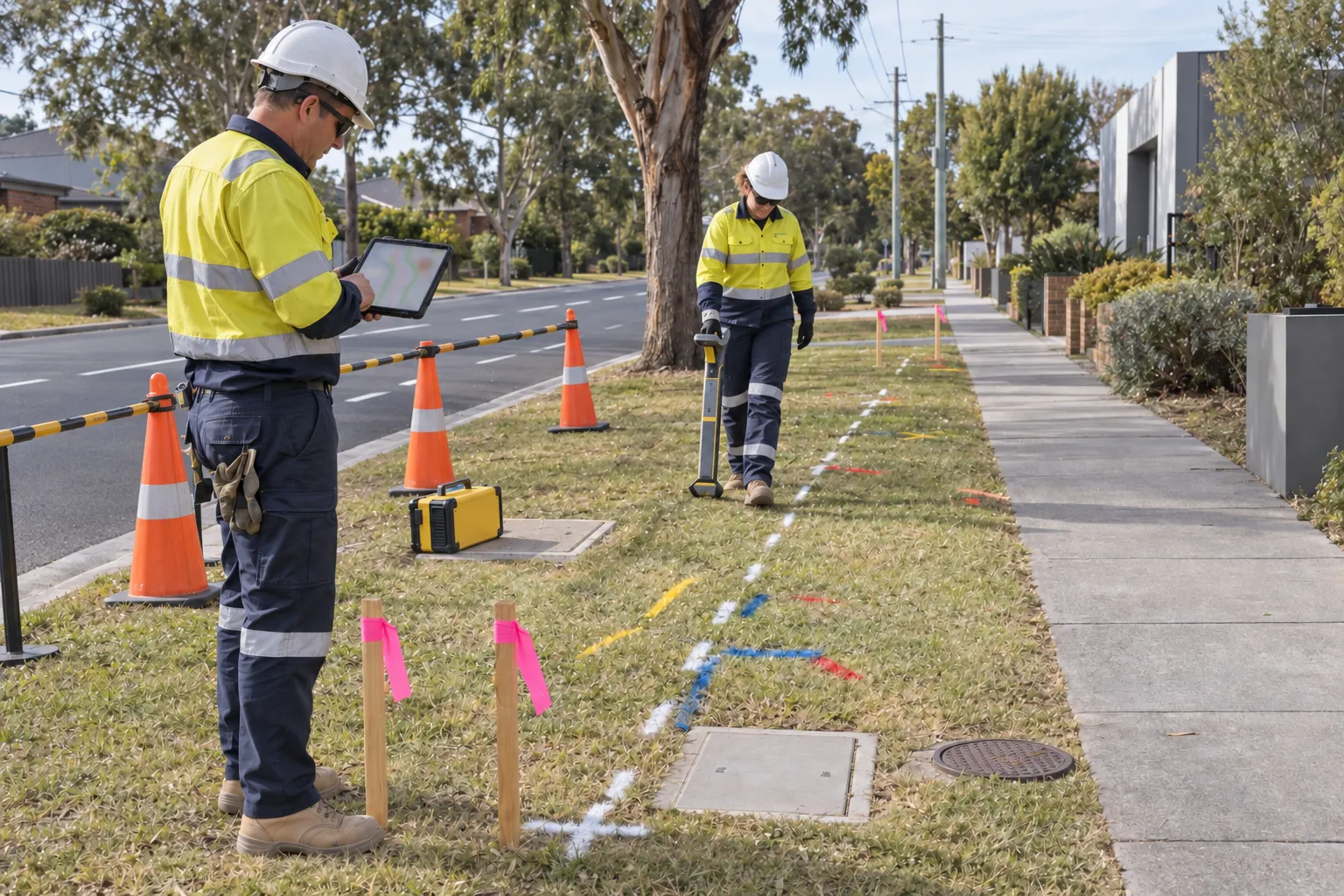
Before drilling begins, the proposed route is surveyed and existing underground services are identified using available plans, Before You Dig Australia (BYDA) records and on-site locating equipment. Ground penetrating radar or non-destructive excavation may also be used where service locations require further verification.
Planning should also follow the Five Ps of safe excavation, which cover planning, preparation, potholing, protecting exposed assets and proceeding with appropriate controls.
The bore alignment, depth and entry and exit points are planned around existing power, communications, water, sewer, gas and drainage services. Required clearances, ground conditions and conduit requirements are also considered during the design.
A steerable drill head creates the initial pilot bore along the planned underground alignment. A tracking system monitors the drill head's position and depth, allowing the operator to adjust the direction as the bore progresses.
Drilling fluid can lubricate the cutting head, support the bore and carry spoil back to the surface. The pilot bore establishes the underground path that will later accommodate the conduit.
Once the pilot bore reaches the exit point, it is enlarged using reaming equipment to create enough space for the required conduit or conduit bundle. The conduit is then attached to the drilling system and pulled back through the completed bore.
The bore diameter, conduit size, pulling forces and bend radius need to be considered together to reduce the risk of conduit damage. Multiple conduits also need to be arranged according to the project requirements.
After installation, the conduit ends are secured and connected to pits, cabinets or building entries as required. The conduit may then be rodded, roped or otherwise checked to confirm it is clear for cable installation.
The completed bore can also be checked against the planned alignment, depth and clearances before pits and disturbed surfaces are reinstated. These checks help confirm the conduit is ready for the next stage of the electrical installation.
Directional drilling is useful where open trenching would cause disruption or require excavation through difficult or sensitive areas. It can install electrical conduits beneath roads, rail corridors, waterways and finished surfaces while keeping most of the area above ground intact.
The method is used across urban, commercial, industrial and infrastructure projects. The suitability of directional drilling depends on factors like the crossing requirements, ground conditions, existing infrastructure and the amount of surface reinstatement that would otherwise be required.
Directional drilling can install electrical conduits beneath roads, intersections, roundabouts, footpaths and driveways without cutting through the surface. This can reduce traffic disruption and avoid extensive pavement, concrete or landscaping reinstatement.
It is also useful when connecting new developments or private properties to electrical infrastructure located on the opposite side of a road. Road authority requirements and existing service locations need to be considered when planning the crossing.
Rail crossings can be suited to directional drilling because conduits can be installed beneath tracks without continuous excavation through the rail corridor. The bore can be designed around the required depth, alignment and separation from rail infrastructure.
The method can also be used beneath creeks, drainage channels and other waterways where surface excavation could disturb banks, vegetation or aquatic environments. Similar benefits can apply in parklands, reserves and other areas where excavation needs to be limited.
Directional drilling can provide a controlled underground route where existing corridors contain multiple services such as power, communications, water, sewer and gas. This allows the proposed conduit route to be planned around existing infrastructure rather than requiring a continuous open trench.
Commercial and industrial sites can also use the method to pass beneath car parks, concrete slabs, driveways and other finished areas. On private property, it can provide connections to new buildings, EV charging infrastructure or external electrical equipment with less surface excavation.
Planning starts with establishing what is likely to be encountered below ground. Soil type, rock, groundwater, existing services and the proposed route all influence the bore design and equipment required.
Service records and available geotechnical information provide a starting point, but on-site investigation may be needed to verify conditions. This information helps establish a workable alignment and reduces the risk of service strikes, bore instability and construction delays.
Professional underground asset locating can help verify buried infrastructure and provide more reliable information for planning the bore alignment.
Important considerations in planning include:
Directional drilling is often considered when open trenching would create disruption, require extensive surface reinstatement or be difficult to carry out around existing infrastructure. It allows electrical conduits to follow a planned underground route while keeping most of the surface accessible.
The choice depends on the site rather than the drilling method alone. Access, ground conditions, existing services, installation depth and the potential impact on traffic, businesses or surrounding infrastructure all need to be considered.
Comparing directional drilling and traditional excavation methods can help determine which approach best suits the access, ground conditions, surface impacts and project requirements.
Open trenching can restrict roads, footpaths, driveways, car parks and business access in busy urban and commercial areas. Directional drilling can place the conduit beneath these areas while limiting excavation mainly to the entry and exit points.
This approach can also be useful where several existing services occupy the same corridor and continuous excavation would be difficult to manage.
Cutting through concrete, asphalt, landscaped areas, established gardens and sports fields can create substantial reinstatement work. Directional drilling can avoid much of this surface removal and help maintain the existing condition of the area above the bore.
The same consideration applies to crossings beneath waterways, drainage areas and rail corridors where open excavation may introduce additional environmental, safety or approval requirements.
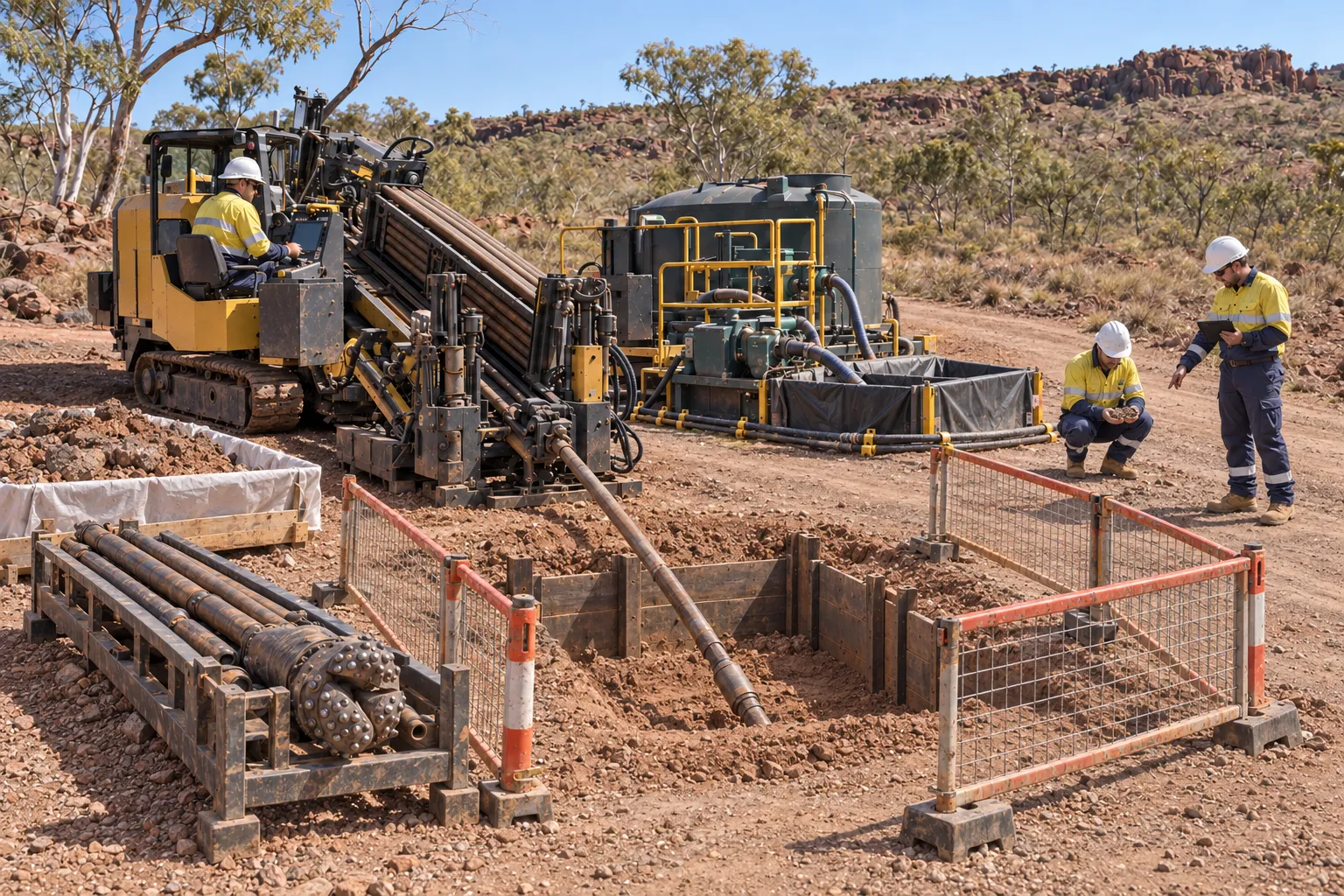
Hard ground, rock and groundwater can make conventional excavation more complex, particularly for long or deep trenches. Shoring, dewatering or rock-breaking may be required depending on the conditions.
Directional drilling can provide a controlled underground route without excavating the entire surface. However, the bore still needs to be designed around the ground conditions and capabilities of the available drilling equipment.
Directional drilling can accommodate different conduit sizes and configurations, depending on the cable requirements, bore length, ground conditions and installation method. The conduit must be suitable for underground use and capable of withstanding the forces generated during pullback.
HDPE is commonly used for directional drilling because its flexibility allows it to follow the gradual curves of the bore with fewer joints. Other underground-rated conduit and ducting systems may also be suitable where their specifications, flexibility and strength meet the project requirements.
A bore can accommodate a single conduit or multiple conduits, but it depends on the required capacity and bore design. Separate ducts may be used for power, communications or future services.
The number and size of conduits affect the required bore diameter, pulling force and installation equipment. Spare conduits can also be considered where future capacity is likely to be needed.
The conduit needs to suit the cable type, capacity and conditions along the route. Larger conduits may be required for mains and distribution cables, while smaller ducts may be suitable for lower-capacity electrical or communications services.
For longer or curved bores, flexibility, wall thickness, diameter and allowable bend radius become important. The selected conduit should match the bore profile and withstand pullback forces without excessive deformation or damage.
There is no single depth that applies to every underground electrical conduit installation. Required cover can vary according to the location, surface loading, existing services, ground conditions and requirements set by the relevant authority, network owner or asset owner.
For directional drilling, depth is established as part of the bore profile. The design considers the entry and exit points, surrounding infrastructure and required clearances to create a route that provides adequate protection while remaining practical to drill.
An electrical conduit beneath private property may have different requirements from one crossing a road, railway, waterway or industrial area. Areas exposed to vehicle loading or future excavation may require different levels of cover, while network and road infrastructure can be subject to specific requirements.
The required depth should be confirmed during project planning rather than based on a general depth used for other installations.
The bore profile needs to account for existing power, communications, water, gas, sewer and drainage infrastructure. Service locations should be identified and verified where necessary before the final alignment is established.
The bore can then be designed to maintain the required separation. Depending on the site, this may involve changing the horizontal alignment or passing deeper beneath an existing service corridor.
Greater depth does not automatically provide a better installation. A deeper bore can increase the drilling length and pulling forces and may introduce different soil, rock or groundwater conditions.
The final depth should balance the required cover and service clearances with the ground conditions and capabilities of the drilling equipment. Tracking during the pilot bore helps maintain the planned alignment and depth, while installation records can document the completed route.
Directional drilling provides controlled installation conditions, but the conduit still needs to withstand pulling forces, bending and contact with the bore during installation. Proper planning and equipment selection help reduce the risk of deformation, abrasion and other damage.
Consider these factors:
The cost of directional drilling depends on the length and design of the bore, ground conditions, conduit requirements and site constraints. A short bore through stable ground with clear access will involve different resources from a long crossing through rock, congested services or a restricted area.
Costs can include investigation, service locating, bore design, drilling, reaming, conduit installation, traffic management and site restoration. Directional drilling is not automatically less expensive than open trenching, but avoiding extensive excavation and reinstatement can affect the overall project cost.
Longer or deeper bores require more drilling, reaming and pullback time. Larger bore diameters can also increase equipment and installation requirements when multiple conduits are involved.
Complex alignments or crossings beneath major infrastructure may require additional design and construction work. The bore needs to accommodate the conduit while maintaining the required depth and clearances.
Rock, cobbles, unstable soils and groundwater can increase drilling time and may require specialised tooling or additional fluid management. Further ground investigation may also be required where existing information is limited.
Existing power, communications, gas, water and sewer services can increase locating and verification requirements. Congested corridors may require additional service exposure and more precise drilling.
The drilling rig, support equipment, conduit and entry and exit areas all require sufficient working space. Restricted access or difficult terrain can affect equipment selection and site setup.
Work beneath busy roads or in commercial areas may also require traffic management, permits and coordination with authorities or other contractors. These requirements can contribute to the overall project cost.
Larger or multiple conduits require a larger bore and greater pulling capacity. Conduit material, quantity and installation requirements also contribute to material and labour costs.
Spare conduits can increase the initial installation cost but may provide additional capacity for future services without requiring another excavation or bore. The overall cost should therefore be assessed against the complete project requirements rather than the drilling rate alone.
Directional drilling reduces surface excavation but still involves technical risks below ground. Existing services, changing ground conditions, bore stability and pulling forces can all affect the installation if they are not properly assessed.
Service locating, ground investigation, bore design and monitoring help manage these risks. The drilling process should also be monitored so changes in conditions or bore alignment can be identified and addressed during construction.
Project planning should also account for the risk controls outlined in the NT Excavation Work Code of Practice, particularly where entry pits, exit pits or service-verification excavations are required.
Damaging an existing underground service is a key risk in congested corridors containing power, communications, gas, water and sewer infrastructure. Service records may not always show the exact position or depth of buried assets.
Services should be located and verified before drilling, with critical infrastructure exposed where necessary. Tracking equipment can then monitor the pilot bore and help maintain the planned alignment and separation.
In higher-risk or congested locations, hydro excavation before directional drilling can confirm the position and depth of critical assets without relying solely on indicative records.
Soil, rock and groundwater conditions can affect bore stability and drilling progress. Loose ground may be prone to collapse, while rock, cobbles or unexpected obstructions can slow drilling or require different tooling.
Drilling fluid also needs to be managed carefully. Excessive pressure can cause fluid to escape through weak ground or reach the surface, creating additional concerns near waterways, drainage systems and environmentally sensitive areas.
The conduit needs to withstand the forces generated during pullback. Excessive friction, an unsuitable bore diameter, sharp alignment changes or difficult ground conditions can increase these forces and cause deformation or damage.
Bore size, conduit specifications, bend radius, lubrication and drilling equipment should therefore be considered together to keep installation forces within acceptable limits.
Directional drilling requires suitable space for the drilling rig, support equipment, conduit handling and entry and exit areas. Restricted working space can make setup more difficult and may limit the equipment available.
Unexpected ground conditions, undocumented structures or additional approval requirements can also affect the project. Identifying these constraints early can help reduce delays and significant changes during construction.
Directional drilling is not suitable for every electrical conduit project. The method requires suitable ground conditions, sufficient working space and a bore path that can be safely designed and controlled.
For short installations or open sites where trenching would cause little disruption, conventional excavation may be simpler. Other methods may also be more appropriate where ground conditions, access or alignment constraints prevent a reliable bore.
Situations where another installation method may be suitable are:
Directional drilling provides a practical alternative to open trenching where surface disruption, existing infrastructure or difficult ground conditions make conventional excavation challenging. Its suitability depends on the bore design, conduit requirements, ground conditions, access and site constraints.
JSM Civil provides directional drilling solutions for projects involving roads, rail corridors, waterways and other constrained sites. Careful service locating, bore planning and installation practices can reduce disruption while providing a reliable route for underground electrical infrastructure.


