Now Also operating from our new yard in Alice Springs. Our address is 3/31 Elder Street Ciccone 0870.


How Directional Drilling Adapts to Northern Territory Terrain
January 14, 2026
Working in the Northern Territory is a completely different experience compared to most other parts of Australia. The weather shifts fast; the wet season can transform the ground overnight, and soil conditions can change dramatically even between neighbouring suburbs. That’s why underground infrastructure work here can’t be approached with a one-size-fits-all mindset. In the NT, success comes down to preparation, experience and being able to adjust quickly when the ground doesn’t behave the way it “should”.
At Daley Directional Drilling, we’ve built our approach around these territory realities. We use directional drilling because it’s one of the most efficient ways to install underground services with minimal disruption. Instead of cutting up roads and footpaths with trenches, we can install conduits and pipelines beneath them, protecting the surface and keeping communities moving.
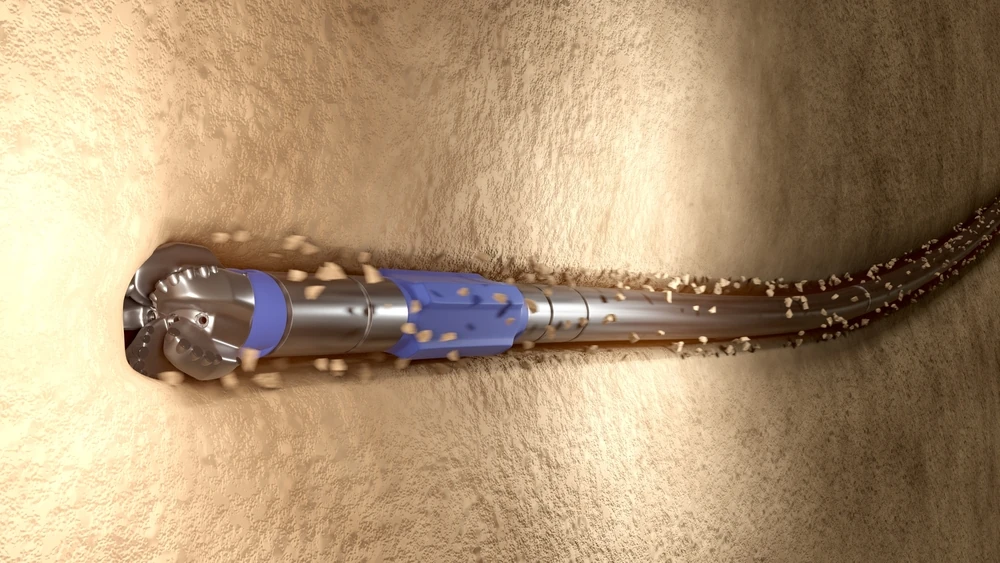
If you’ve worked in the NT long enough, you learn quickly that the ground rarely stays consistent. A site might look straightforward from the top, but once drilling begins, it can shift into sand, sticky clay, gravel pockets, or rock layers with very little warning. During the wet season, those same conditions can behave completely differently due to water saturation and ground movement.
Ground conditions affect everything, including:
This is exactly why proper assessment matters. It’s not an extra step. It’s the foundation of a smooth, safe project.
Two of the most common challenges that shape our NT drilling approach are hard, rocky ground and wet-season waterlogged soil. They are entirely different problems, and each requires its own strategy.
Rock in the NT doesn’t always appear as a clean, obvious layer. More often, we encounter mixed ground where softer soil transitions into dense gravel or iron-rich formations that behave like rock. These conditions increase drilling resistance and can affect steering accuracy.
In rocky conditions, the main risks include:
Rock is manageable, but it demands control. If you push too hard, you’re more likely to break equipment or lose accuracy.
When we expect rocky ground, we treat the job differently from the very start. The focus becomes durability and precision, not speed. That means:
Yes, the job might take longer than drilling through softer ground, but that controlled pace protects equipment and reduces the risk of costly mistakes.
Waterlogged soil is one of the biggest challenges in Northern Territory drilling, especially in the wet season. Saturated ground can lose strength, which increases the risk of bore collapse, pit instability and unexpected delays.
In wet ground, the most common issues include:
Even a job that feels routine in the dry season can become a completely different site after heavy rain.
In saturated soil, drilling fluids are not just a basic requirement. They’re a key part of bore stability. Our approach is to actively manage and adjust fluids based on what the ground is doing in real time.
This includes:
The goal is simple: keep the bore stable from start to finish, even when soil conditions shift.
Darwin is its own category. The combination of coastal ground conditions and fast-growing infrastructure makes directional drilling in this region more technical than many people expect. A small steering deviation underground can become a major issue if existing services are nearby.
Darwin’s coastal environment often means:
This is why pit management and water planning are a bigger part of Darwin’s work. What works inland won’t always work near coastal ground profiles.
Darwin also has increasing underground asset density. It’s common to drill near:
We work around these assets using:
This combination reduces risk and improves accuracy, especially on projects in public-facing, traffic-heavy areas.
Once we understand the terrain, the next big factor is equipment. Directional drilling equipment in the NT needs to be selected differently because the environment is tougher on machinery. Heat, humidity, wet season rain and inconsistent soil conditions put extra strain on hydraulics, electronics, tooling and crew workflow.
It’s not just about having a rig that can drill. It’s about having a setup that can perform reliably in Territory conditions day after day.
Directional drilling depends on steering accuracy, and accuracy depends on monitoring. In NT conditions, where mixed soils and rock can push the drill head off course, tracking technology isn’t optional. It’s essential.
We rely on real-time monitoring systems to track:
This allows us to identify issues early. If the bore begins to drift, we can correct it immediately rather than discovering it later when the bore exits in the wrong place.
Tracking is especially valuable in Darwin because:
The NT climate affects equipment performance more than people realise. It impacts how we maintain machinery, plan drilling schedules and manage job pacing.
High temperatures can strain:
That’s why our planning includes:
Wet season work increases the need for stable access, pit protection and equipment reliability in wet conditions. It’s not just about drilling; it’s about maintaining a safe and functional work zone.
Wet season planning often includes:
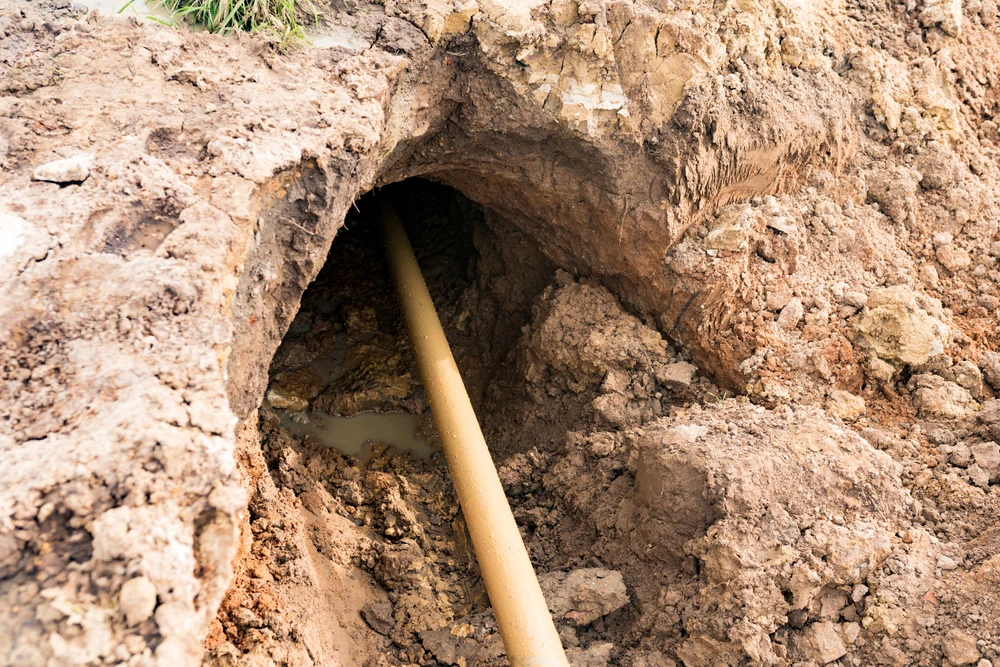
Directional drilling in the NT follows a structured process, but it’s always built with flexibility. The aim is to prevent common territory issues early, rather than reacting once delays or risks appear.
Site assessment is where the job is won or lost. In Darwin, we spend extra time verifying services and considering wet season exposure because a small oversight can turn into major project disruption.
Before drilling starts, we typically review:
Even a short bore can become a high-risk job if these details aren’t addressed properly.
A quality directional drilling outcome is usually the result of controlled drilling, good monitoring and strong site discipline. In the Territory, this matters even more because the margin for error can be smaller.
Our key quality controls include:
NT safety planning must account for:
Safety is not just about compliance. It’s what allows the job to run smoothly and consistently.
Directional drilling in the Northern Territory requires more than standard methods. Between rock layers, wet-season instability, Darwin’s coastal groundwater and dense underground services, every project needs careful planning, accurate monitoring and a drilling approach shaped by real local conditions. When these factors are managed properly, directional drilling remains one of the most efficient and low-disruption methods for installing underground services across the NT.
At Daley Directional Drilling, we tailor our equipment, planning and safety controls to territory terrain so our clients get reliable underground outcomes with minimal surface impact.


